
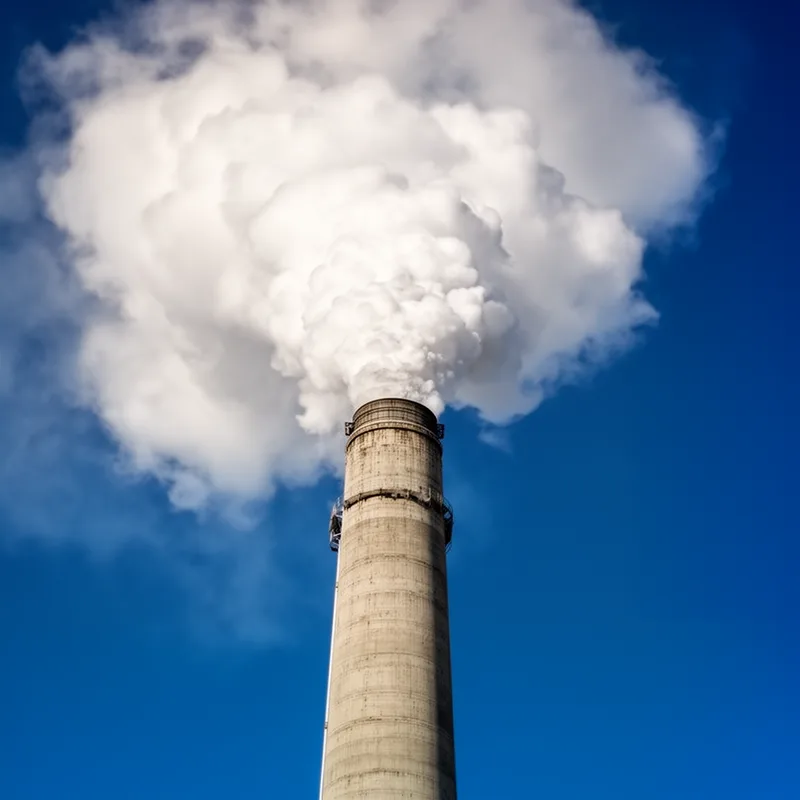
emission
 245
4.6

- noun
- /ɪˈmɪʃən/
- Do you know, like, what the emissions from this car actually do to the environment?
- carbon emissions
- greenhouse gas emissions
- gas emissions
Loading YouTube…
Watch on YouTubeI mean, there's a huge amount of carbon emissions from military operations.
- I mean, there's a huge amount of carbon emissions from military operations.
- They didn't look at the life cycle greenhouse gas emissions for fossil fuels.
- And that brought an emissions problem of its own.
- The first of those things, and perhaps most importantly, is about reducing the emissions from food production.
- They're low down the food chain and so they have much lower emissions associated with eating them.
- Transport emissions is a fairly big chunk of our greenhouse gas emissions in the UK.
Examples
-
The first of those things, and perhaps most importantly, is about reducing the emissions from food production.
-
The major air pollution sources were automobile exhaust emissions and domestic heating.
Academic text (2008) -
Part of the reason was that car emissions went down.
-
And this is the amount of carbon emission per unit GDP.
-
All right, this is business as usual emissions in the United States.
-
In addition, there will be increased road congestion, vehicle emissions, and significant water use.
Academic text (2008) -
We actually can significantly reduce our overall emissions by eating less meat or eating no meat whatsoever.
-
As part of a strategy to reduce carbon emissions, management practices that favor carbon storage may be emphasized.
Academic text (2011) -
During the 1970s and 1980s, environmental regulations substantially reduced emissions from industry and stationary sources.
Academic text (2008) -
Every country has promised to reduce emissions to the level that they signed up for.
Synonyms
 24
4.1
Harmful gases that smell bad and come from engines or machines
 19
4.4
Liquid or other matter that comes out of something, often as waste
 7
8.3
Something that comes out from a place, like gas, light or a smell


 1
8.2
A number that shows how well a surface gives off heat as radiation
Antonyms

Compounds

- Specialized
27
3.8
A gas like carbon dioxide or methane that traps heat in the air and warms the planet


- Specialized
1
6.0
A medical scan that shows how body parts use energy, often the brain

- Specialized
1
7.8
Electrons leave a material's surface when a strong electric field pulls them into empty space


- Specialized
1
6.7
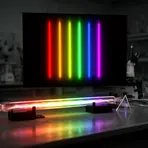
A set of bright lines or bands of light given off by something hot like a gas

- Specialized
1
8.9
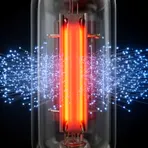
Electrons that a surface sends out when hit by fast electrons or charged particles
- Specialized
1
6.5
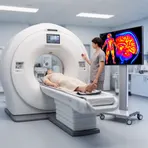
A machine that makes detailed pictures showing where the body uses energy

- Specialized
1
8.6
A microscope that uses electrons to show a material's surface in very small detail

- Specialized
When a material absorbs very strong light, it releases electrons
How Much

Surface Forms
Morphology
Etymology
Emission comes from Latin parts e- 'out' and mittere 'to send', and it shares the root with emit 'to send out'. So an emission can mean the thing sent out, such as a gas, heat, or radiation released into the air.