

emittance


 1
8.2
1
8.2
- noun
- /ɪˈmɪtəns/
- Specialized
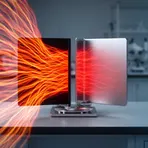
- Infrared emittance is the measure of how much radiation a surface re-emits to the atmosphere.
Examples
-
Scientists measure the emittance of different materials to understand their energy efficiency.
-
If you saw the emittance spectrum of a fluorescent light graph, it would look like three or slightly more large spikes.
Blog text (20) -
Infrared emittance indicates how effectively a surface radiates heat back into the atmosphere.
-
The low emittance of the material helps reduce heat loss in buildings.
Synonyms
 57
3.5
57
3.5
An act of releasing something like gas, steam, light, or heat from a source
 5
8.3
5
8.3
Something that comes out from a place, like gas, light or a smell
 3
9.9
3
9.9
How well a surface gives off heat as invisible waves

The sending out of light or small particles from a source
How Emissive
- Specialized
1
8.2

- Specialized
Surface Forms
Morphology
Etymology
Emittance comes from the verb emit, which means 'to send out', and from the parts e- 'out' and mittere 'to send'. So emittance is the amount something 'sends out', which fits measuring how much heat or light a surface gives off.