

to effloresce
- verb
- /ˌɛf.ləˈrɛs/
- Specialized
- Over time, the bricks began to effloresce with a white, powdery crust.
Examples
-
Salt deposits effloresce on the walls of the old cellar during the dry season.
-
If the water evaporates quickly, minerals may effloresce on the surface of the stone.
-
The salt began to effloresce on the surface of the container.
-
Why does this compound effloresce when exposed to air?
-
When the humidity is low, the salt will effloresce, forming white crystals on the surface.
-
The surface of the old plaster began to effloresce after being exposed to the dry air for weeks.
-
After the rainy season, the minerals in the soil may effloresce, leaving a white powdery residue.
Synonyms

 8
6.0
8
6.0

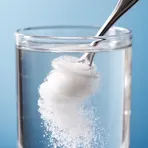
To form crystals, like salt or sugar from a liquid
Antonyms

How Crystallized

Surface Forms
Morphology
effloresce = flor (opaque) = ef + flor + esce
The prefix 'ef-' does not clearly relate to the process of forming a crust or powdery surface.
Etymology
Effloresce is also used for minerals that make a white, powdery 'bloom' on surfaces because the Latin parts ex- 'out' and flor- 'flower' give the image of crystals 'flowering' out of the stone. That's why a salt or mineral crust on a wall or brick is described as efflorescence.