

to crystallize
 8
6.0
8
6.0

- verb
- /ˈkrɪs.tə.laɪz/
- Specialized
- As the temperature drops, the water will crystallize into ice.
- crystallized ammonia
- ice crystallizes
- water crystallized
Loading YouTube…
Watch on YouTubeBecause because the two molecules are free, they don't crystallize.
- Because because the two molecules are free, they don't crystallize.
- The protein from the Bacillus thuringiensis crystallizes in the corn borer's gut and the corn borer dies.
- And it was been solidified or crystallized in our first Netflix documentary.
- So, for example, a helicopter crashes because the blades crystallized while it's near the trees.
Examples
-
And at high altitudes, it's gonna crystallize and give us what we call snow.
-
But the horse hide glue would crystallize and it would get super hard.
-
Water doesn't need to know anything to crystallize when the temperature gets low enough.
Blog text (19) -
Star sapphires take a week to crystallize properly.
-
When they meet cold water, these minerals crystallize and stick to the top of the vent.
-
Then, if all goes well, the temperature drops below freezing, the water crystallizes, and a pretty brilliant thing happens.
-
As the magma moves towards the Earth's surface, it crystallizes to form young, hot igneous rocks.
-
The protein from the Bacillus thuringiensis crystallizes in the corn borer's gut and the corn borer dies.
-
The sugar began to crystallize after being heated and cooled.
-
Over time, the minerals in the cave crystallized into beautiful formations.
Synonyms

To form a white, powdery layer on a surface when water dries
Antonyms
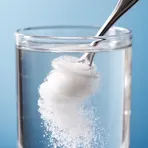
How Crystalline
- Specialized
8
6.0

- Specialized

 1
8.6
55
4.4
1
8.6
55
4.4
- Specialized
3
8.0
Surface Forms
Morphology
Etymology
Crystallize comes from the old Greek word krystallos, which meant 'ice' and later 'crystal' because people once thought crystals were frozen water. So, to crystallize in science is to form crystals, making a substance take a clear, regular shape.