
to nucleate


 1
8.6
1
8.6
- verb
- /ˈnjuːkliˌeɪt/
- Specialized
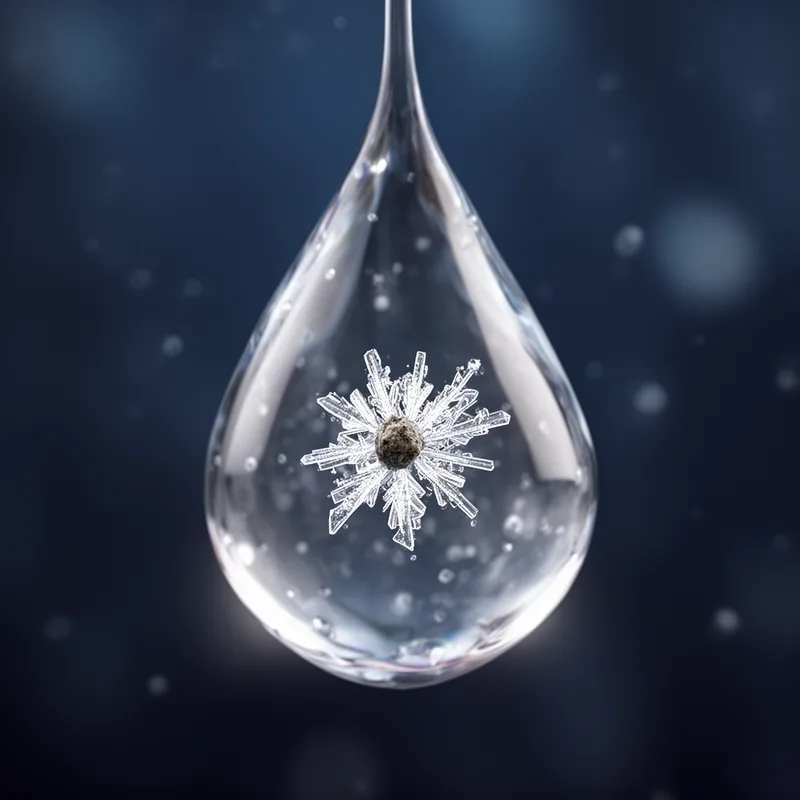
- Soluble particles nucleate droplets by absorbing water under conditions of high humidity.
Loading YouTube…
Watch on YouTubeSo in principle you could have nucleated our universe out of nothing.
- So in principle you could have nucleated our universe out of nothing.
- That'll help catalyze and nucleate the rest of the rest of your fundraising.
- When these bubbles nucleate, they nucleate with values of these fields inside them.
- Say you, you nucleate string and then then disappear.
Examples
-
Thousands of tiny diamonds nucleate on the deposition surface and then grow together into a continuous polycrystalline film.
-
Soluble particles nucleate droplets by absorbing water under conditions of high humidity.
-
When these bubbles nucleate, they nucleate with values of these fields inside them.
-
So, so you, so you first nucleate a little droplet of, of, of ice.
-
So in principle you could have nucleated our universe out of nothing.
-
The bubbles are nucleating on the defects and the glass.
-
When these bubbles nucleate, they nucleate with values of these fields inside them.
How Crystalline
- Specialized
8
6.0

- Specialized
1
8.6
55
4.4
- Specialized
3
8.0
Surface Forms
Morphology
nucleate = nucleus (transparent) = nucle + ate
The verb is formed by the productive suffix '-ate' meaning 'to make or become', so its meaning 'to form a nucleus' is directly inferable from 'nucleus'.
Etymology
The verb nucleate comes from the Latin word nucleus, meaning 'kernel' or 'seed', and is related to nuclear. So to nucleate is to form a small central 'seed' or 'core' that other material grows around, like the first tiny ice crystal that starts a larger freeze.