
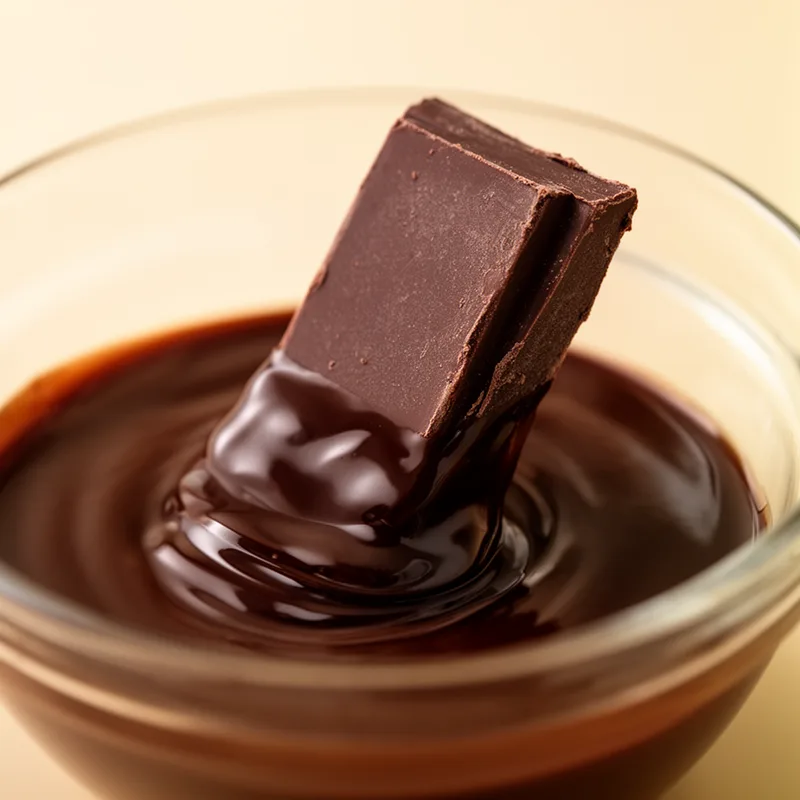
to liquefy
 18
4.4
18
4.4

- verb
- /ˈlɪkwəˌfaɪ/
- Specialized
- LNG consists of 98 to 99 percent methane, which liquefies at -260 degrees F.
- liquefied gas
- liquefied natural gas
- liquefied petroleum
Loading YouTube…
Watch on YouTubeAnd then much of the Caterpillar liquefies.
- And then much of the Caterpillar liquefies.
- Gas, it's hard to get that kind of density unless you liquefy it.
- So how does it if it's freeze dried, how does it like liquefy?
- Now, what no one had told him, what he hadn't thought to look up, was that when you put it under pressure, Jelly liquefies.
- You could just have it liquefied and just keep doing it.
Examples
-
But you may now use two of his vessels to demonstrate the properties of liquefied gases.
Fiction book (1991) -
When the heat is applied, the solid chocolate will liquefy into a smooth, creamy texture.
-
So you either have to liquefy it with really low slow heat with moisture, right?
-
But we have a nice little demo where you see two systems which are solid at room temperature liquefy when you mix them.
-
The soft metal gallium has such a low melting point that it will liquefy on contact with your hand.
Academic text (2002) -
And that liquefies the inside of their prey item.
-
My company liquefies damaged assets, so I file a lot of 1127s.
-
Indeed, CO2 won't liquefy at all unless a pressure greater than five atmospheres is applied.
Academic text (2012) -
But now its propellant tanks were filled with liquefied methane and oxygen.
Fiction book (1999) -
When you see people dropping butter onto the hot pan, what that does is it actually liquefies and adds a little bit of a sogginess to your sandwich.
Synonyms
 362
1.0
362
1.0
To change a solid into a liquid by heating it
 19
4.2
19
4.2
Turn from a gas into a liquid when cooled
 12
3.0
12
3.0
Make a solid become liquid by heating it

Make a solid melt so it can flow
To change from a solid into a liquid, like ice or wax, often by heat

To become liquid because of heat

To make something into a liquid by heating or blending

To become liquid when heated
Antonyms

How Liquid


Surface Forms
Morphology
Etymology
The word liquefy comes from the same root as liquid, a Latin word meaning 'flowing' or 'liquid', plus the ending -fy which means 'to make', like in simplify. So to liquefy something is to 'make it liquid', which is why the word means turning a solid or gas into a liquid.