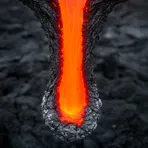
to liquate

to liquate

9.5
To become liquid because of heat
  • verb
  • /ˈlɪkweɪt/
  • Specialized
translation icon : liquar
  • If left in the sun, the ice cream will quickly liquate and make a mess.

Examples

  • The wax started to liquate as the temperature in the room increased.

  • The ice will liquate under the sun.

  • When heated, the metal will liquate and flow into the mold.

  • When heated, the wax liquates quickly.

  • When heated, the metal will liquate and flow into the mold.

  • The wax started to liquate as the temperature in the room increased.

  • If left in the sun, the ice cream will quickly liquate and make a mess.

Synonyms
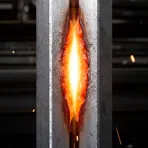
to fuse
vsto liquate
23 4.2

To melt and join things together using heat

is becoming liquid generally without the specific joining purpose
to liquefy
vsto liquate
  • Specialized
18 4.4

To change a solid or gas into a liquid, often by heating
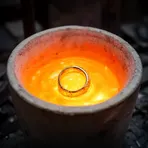
focuses on becoming liquid specifically from heat rather than other forces
to melt down
vsto liquate
12 3.0

Make a solid become liquid by heating it
is the broader change to liquid without stressing reduction or processing
to liquesce
vsto liquate
  • Specialized
9.9

To change from a solid into a liquid, like ice or wax, often by heat

is the general process of becoming liquid often as a result of heat
to liquify
vsto liquate
4.5

Make a solid melt so it can flow

is the general term for becoming liquid often due to heat
to liquidize
vsto liquate
  • US
4.2

To make something into a liquid by heating or blending

describes becoming liquid by heat rather than by blending

Antonyms

770 1.0

Become solid because of cold, like water turning to ice

55 4.4

To change from a liquid or gas into a hard state as it cools

How Melted

flow
188 1.0
to liquate
  • Specialized
9.5
to soften
55 1.3
to harden
27 2.6
to freeze
770 1.0

Surface Forms

liquate infinitive
liquated past
liquated past participle
liquating present participle
liquates third person singular

Morphology

liquate = liquid (transparent) = liqu + ate

The transformation from 'liquid' to 'liquate' is clear, indicating the process of becoming liquid.

Etymology

Liquate comes from the old root liqu- meaning 'to be liquid', the same root in liquid. So, to liquate is to 'become liquid' or melt when heat is added.