
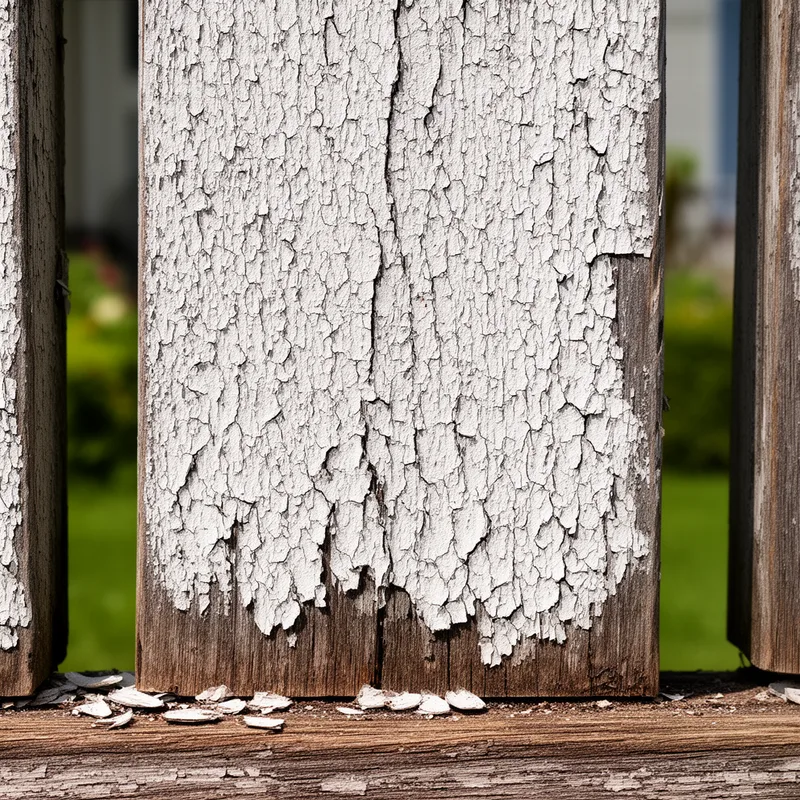
crusting
4.5
Covered by a hard dry outer layer
- adjective
- /ˈkrʌstɪŋ/
:
encrustado
- The paint on the wall is crusting due to exposure to moisture.
Examples
-
The old bread was crusting, making it difficult to chew.
-
Here we have a nice candy cane crusting with some nice lighting with the two big balls on top.
-
After baking, the pie develops a golden crusting that is delicious.
Synonyms

crusty
vscrusting
 14
2.5
14
2.5

Having a hard, crisp outer layer like the top of bread
puts emphasis on dry hardness or the forming process not crispness

crusted
vscrusting
1
4.2
Covered with a hard layer on the surface
focuses more on dryness and formation rather than completed hardening

encrusted
vscrusting

 1
5.8
1
5.8
Covered with a hard layer, often of dirt, shells, or jewels
emphasizes a dry outer layer or the process of forming it

crustlike
vscrusting
3.7
Having a hard outer layer like the top of bread or rock
asserts actual formation of a hardened dry outer layer
Antonyms


How Crusted

Surface Forms
crusting positive
Morphology
Etymology
Crusting comes from the simple word crust, which means 'hard outer layer', plus -ing that makes it mean 'forming' or 'covered with'. So crusting describes something that is becoming or covered with a hard dry layer, like the crust on bread or frozen ground.