
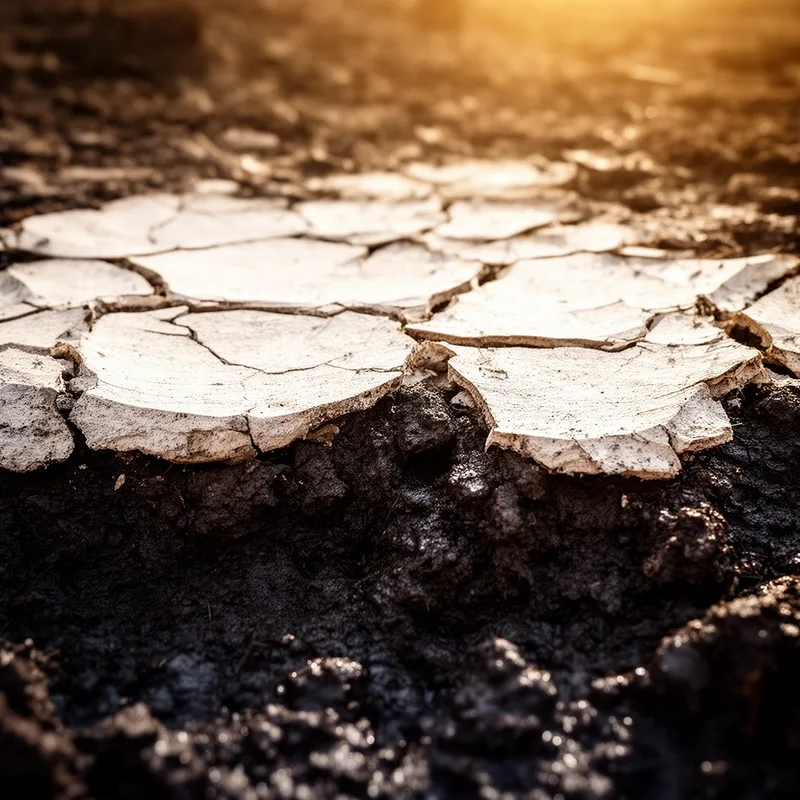
to crust
 15
3.4
15
3.4

- verb
- /krʌst/
- Sand stuck to it, crusting along the curve of my nails.
Loading YouTube…
Watch on YouTubeBut the reason why this blew me away was because this is the only super pale nude shade that doesn't crust up on the inner the inner part of my mouth.
- But the reason why this blew me away was because this is the only super pale nude shade that doesn't crust up on the inner the inner part of my mouth.
Examples
-
A pot on the stove was still crusted with spaghetti sauce from two nights earlier.
Fiction book (1994) -
His hands closed around one of the massive cornerstones that were crusted with centuries of ash.
Fiction book (1993) -
Opal felt herself sliding on the ice-crusted ground and reached for Bic's arm.
Fiction book (1992) -
We drove out into the dust of the Shabak Valley; ice crusted like sugar in the riverbank shadows.
Academic text (2010) -
In the morning, he knew he'd see it smeared across his clothes and crusted beneath his fingernails.
Fiction book (1995) -
His trailer was sparsely furnished and, except for a few charred ovals crusted to the stovetop, it was immaculate.
Academic text (2007) -
The bread started to crust as it cooled on the counter.
-
The snow on the mountain will crust over after a sunny day.
-
As the paint dried, it began to crust on the surface of the old table.
Synonyms
 24
7.9
24
7.9
To become covered with a hard or thick layer
 5
6.1
5
6.1
To become covered with a hard outer layer
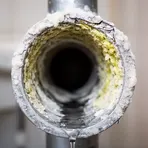
To become covered with a hard layer like salt or scale

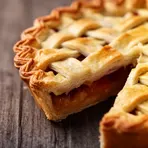
To form a hard outer layer on food or other things
Antonyms


Idioms

Compounds


How Thick


Surface Forms
Etymology
Crust comes from the old Latin word crusta meaning 'rind' or 'shell'. To crust is to form that hard outer layer, as a wound or soup can make a shell when it dries.