

dynasty
 96
5.3
96
5.3

- noun
- /ˈdaɪnəsti/
- The Roman dynasty produced a succession of emperors, influencing the course of European history for centuries.
- ruling dynasties
- found a dynasty
- the dynasty collapsed
Loading YouTube…
Watch on YouTubeThis man is part of a noble dynasty.
- This man is part of a noble dynasty.
- Trump could ruin the Bush dynasty.
- Is he trying to go back to the great days of Tang dynasty?
- So, you know, if Russia claims the ancient dynasty from Kiev, I mean, those guys, they were Scandinavians.
- And this is a really recent dynasty.
Examples
-
Although the Ruby Dynasty no longer rules, they have a great deal of influence.
Fiction book (1999) -
And by doing so he founded a new dynasty, the Tudor dynasty.
-
And in China we see the dynasty actually starting to break to build the Great Wall of China.
-
They built a dynasty around him.
-
Afterwards, the Umayyad dynasty came to power.
-
The Qing dynasty has never been weaker.
-
Late 14th century, Ming dynasty.
-
It seemed as though the New Yan Dynasty had won.
-
Similarly, the Qajar dynasty was established in Iran by the turn of the nineteenth century.
Academic text (1993) -
Some local fishermen were pulling Ming Dynasty porcelain out of the ocean.
Academic text (2011)
Synonyms
 121
7.9
121
7.9
A family of rulers from the same line
 46
5.5
46
5.5
A list of family members who came before you
 2
4.7
2
4.7
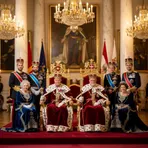
A family of kings and queens who rule a country now or in the past
 1
4.9
1
4.9
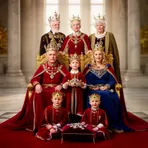
A family of kings and queens who are related by birth
Antonyms


Compounds
 1
6.6
1
6.6
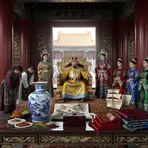
A ruling period in China from 206 BC to AD 220 known for strong government and cultural achievements


 1
7.8
1
7.8
A ruling family in ancient China from about 1122 to 221 BC known for Confucian and Taoist ideas





An early Chinese royal family that united China and started building the Great Wall


- Literature
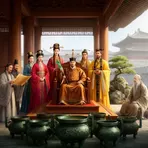
A ruling family in ancient China from 1122 to 221 BC when Confucianism and Taoism began
- Literature
A ruling family in China from about 1122 to 221 BC when Confucianism and Taoism grew


A ruling family and government in Manchuria and northeast China from 947 to 1125, founded by the Khitan

Family of rulers in Egypt and Syria made of former slave soldiers from the 1200s to the early 1500s
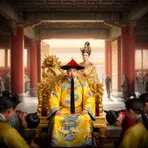

A royal family of the Franks who ruled parts of present-day France and Germany from about 500 to 750 AD

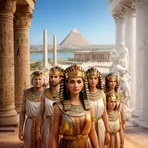
A royal family from Macedonia that ruled Egypt from 323 BC to 30 BC, ending with Cleopatra VII

The Turkish royal family that ruled a large empire from the 1200s until after World War I

A Chinese dynasty ruling from 618 to 907 that is famous for art, learning and trade


A period in China from 960 to 1279 when a ruling family makes great art and literature


A ruling family in China from 1279 to 1368 that was started by the Mongols under Kublai Khan
How Long-Lived
96
5.3

- Literature
535
6.1
Surface Forms
Etymology
The word dynasty comes from Greek roots dyn- meaning 'power' and dynastes meaning 'ruler'. So a dynasty is a family that keeps 'power' and rules for several generations.