

to disown
 37
5.8
37
5.8

- verb
- /dɪsˈoʊn/
- He decided to disown his son after learning about his illegal activities.
Loading YouTube…
Watch on YouTubeInstead, I became disowned in my own home for years.
- Instead, I became disowned in my own home for years.
- And they, her family disowned her and never spoke to her again.
- What if your parents disown you, as has happened to some of my friends?
- My dad would disown me if I bought him this thing.
- My parents pretty much disowned me and didn't come to the wedding or anything like that.
- So interesting how you said you'd disown him.
- Yep, if you lose this, you're getting disowned.
- It is so fundamental, so important, that you would disown your own children for simply disagreeing with you.
- You know, they did not want any of that intermixing, you know, So she was disowned really quick, really quick.
- I had to disown and get rid of a lot of toxic people in my life.
Examples
-
At lunch, my mother said to me, "I would disown my daughter if she had an abortion."
Fiction book (1992) -
Are you going to officially disown me?
-
What if your parents disown you, as has happened to some of my friends?
-
My dad would disown me if I bought him this thing.
-
My mom and dad would not kill me, but they would disown me and they would never speak to me again.
-
I will disown you if you do.
-
My parents probably wanna disown me.
-
My parents pretty much disowned me and didn't come to the wedding or anything like that.
-
I know if I marry Mohammed, my father is going to disown me, and he won't give me that land.
Academic text (2006) -
I disowned him.
Synonyms
 466
2.8
466
2.8
To stop taking part in a place or activity
 75
7.0
75
7.0
Keep away from someone or something to show no connection
 69
6.3
69
6.3
To give up a right, belief, job, or position officially
 33
8.2
33
8.2
To refuse to accept or be linked to something
 33
7.7
33
7.7
To say you are not responsible for or connected to something
 31
7.7
31
7.7
To leave someone out of a group on purpose
 31
6.2
31
6.2
Force someone to leave a group or place because others reject them
 26
4.6
26
4.6
To avoid someone or something and refuse to meet and speak to them on purpose
 16
7.0
16
7.0
To end a connection with a person, group, or idea
 15
3.7
15
3.7
To refuse to have anything to do with someone or something
 11
3.7
11
3.7
Reject or ignore people and things you no longer want
 3
6.7
3
6.7
To stop being involved with a person, group, or idea
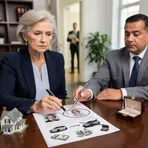 1
7.7
1
7.7
To stop someone from getting your money or things you own when you die
Antonyms


How Rejected
107
6.3
 37
5.8
620
3.8
839
1.9
7
6.3
∞
1.0
37
5.8
620
3.8
839
1.9
7
6.3
∞
1.0
Surface Forms
Morphology
Etymology
Disown comes from two parts: dis- 'not' or 'away' and own 'to have' or 'belong to you'. So to disown someone is to say they are 'not yours' anymore and to refuse to accept or support them.