

to dilapidate
 1
8.4
1
8.4

- verb
- /dɪˈlæpɪˌdeɪt/
- Dilapidated mailboxes, their doors hanging open.
Examples
-
If we do not make repairs soon, the house will continue to dilapidate beyond repair.
-
The abandoned factory began to dilapidate after being left empty for over a decade.
-
Dilapidated housing.
-
Dilapidated cars, broken bottles, and scraps of paper littered the spaces between units.
Fiction book (1994) -
Dilapidated billboards and signs sat above mom-and-pop stores that seemed to oddly make their businesses more familiar and welcoming.
Academic text (2015) -
Dilapidated buildings, homes with barred windows, unkempt yards, and cracked sidewalks lined the two-lane streets.
Blog text (5) -
Neglecting the maintenance for years has caused the old mansion to dilapidate significantly.
Synonyms
 177
3.4
177
3.4
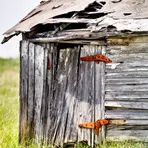
To break into small pieces or become weaker and collapse
 146
5.9
146
5.9
To get worse in quality, condition, or value
 83
4.2
83
4.2
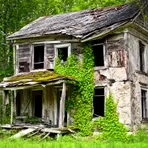
Gradually make someone's trust, belief, or support weaker over time
 55
3.5
55
3.5
Fall into decay and stop being useful
 49
5.1
49
5.1
To make something worse in quality or value
 37
4.4
37
4.4
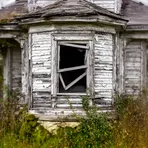
To slowly fall into ruin because of age or neglect
 34
6.3
34
6.3
To become worse and lose order or control
 20
7.4
20
7.4
To become worse and more chaotic
 4
4.0
4
4.0
Start to break into pieces or stop working well

To become worse slowly in a calm, controlled way without sudden failure
Antonyms

How Ruined
54
3.7
 ∞
1.0
∞
2.0
1
8.4
885
1.4
738
1.0
∞
1.0
∞
2.0
1
8.4
885
1.4
738
1.0
Surface Forms
Morphology
dilapidate = dilapid + ate
Although the suffix '-ate' is a productive Latinate verb-forming affix, the stem 'dilapid-' is not a recognizable modern English base and the meaning cannot be derived by an average learner from its parts.
Etymology
Dilapidate comes from Latin parts de- 'down' and lapis 'stone'. Imagine a building falling into a pile of stones — that picture helps you remember that to dilapidate is to fall into ruin or to make something fall apart.