

cole
 110
8.1
110
8.1

- noun
- /koʊl/
- Archaic
- In the market, she bought a large head of cole to make a hearty soup.
Examples
-
The farmer grows cole to feed the livestock in winter.
-
He prefers to use fresh cole instead of regular cabbage in his salads.
-
Who even needs fish when you have the corned beef and tongue, the cole slaw, and baked beans?
Fiction book (1997)
Synonyms
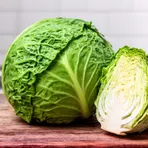 73
1.0
73
1.0
A round vegetable with thick leaves eaten raw or cooked
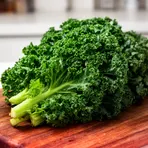 43
2.4
43
2.4
A hardy green vegetable with curly leaves like cabbage
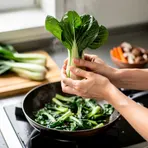 5
3.7
5
3.7
A leafy green vegetable like bok choy used in Asian cooking
 1
3.6
1
3.6
A vegetable from the mustard family like cabbage or broccoli that people eat
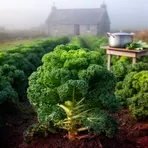

 1
8.4
1
8.4
A leafy cabbage with coarse curly leaves often used in Scottish cooking
 1
1.4
1
1.4
A round vegetable with a large firm head of leaves used for cooking
 1
2.6
1
2.6
A round vegetable with wrinkled green leaves used in cooking
 1
4.4
1
4.4
A type of cabbage with soft, crinkly leaves used in cooking
 1
2.3
1
2.3
A vegetable with long pale green leaves and thick white stalks used in Asian cooking
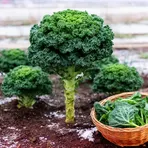
A leafy vegetable like cabbage with tough curly leaves

A hardy leafy vegetable like kale with thick curly leaves that do not form a head

A type of cabbage grown as a vegetable with rough curly leaves that do not form a tight head

A leafy plant grown for its round edible head called cabbage

A vegetable with a long head and crisp stalks like celery used in East Asian cooking

A leafy vegetable with white stalks and dark green leaves used in Asian cooking
Compounds

Surface Forms
Etymology
The word cole comes from the old Latin word caulis, meaning 'cabbage' or 'stem'. You can see the same root in cauliflower, so cole came to mean the cabbage-like plants such as kale, cabbage, and broccoli.