
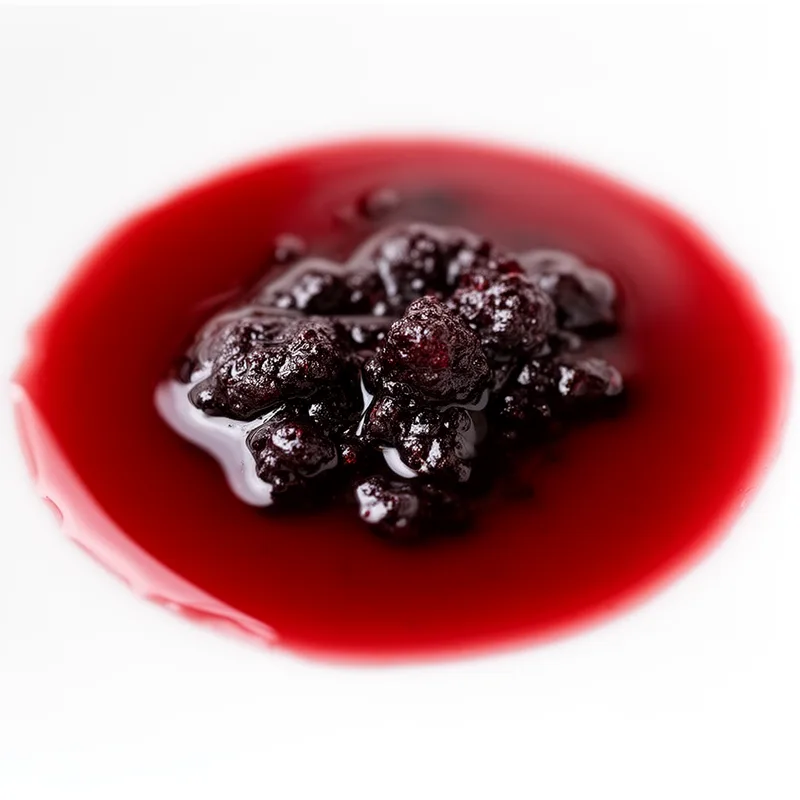
to clot
 8
5.6
8
5.6

- verb
- /klɑt/
- This becomes so widespread that it uses up all the body's clotting factors, so the blood fails to clot at all and bleeding begins.
- allowing them to clot
Loading YouTube…
Watch on YouTubeAnd so that roughening up of the inner lining can actually make blood cells clot, stick and form a clot.
- And so that roughening up of the inner lining can actually make blood cells clot, stick and form a clot.
Examples
-
The blood was already beginning to clot.
Fiction book (1996) -
And so blood will clot when it hits that unnatural surface.
-
And so that roughening up of the inner lining can actually make blood cells clot, stick and form a clot.
-
Vitamin K is a naturally occurring vitamin in humans that helps the blood to clot.
Blog text (24) -
A variety of proteins is involved in the mechanism, and blood won't clot if they don't work together properly.
Fiction book (1998) -
He found the two holes in his scalp, probed them with his fingers, and found them numb and beginning to clot shut.
Fiction book (1997) -
When exposed to air, the liquid began to clot, forming solid lumps.
-
After the injury, it took a while for the blood to clot and stop the bleeding.
-
The doctor explained that he needed to monitor how quickly the patient's blood would clot after his surgery.
Synonyms
 13
4.1
13
4.1
To become thick and form small lumps, like milk when it turns sour
 8
7.7
8
7.7
To make a liquid become thick or solid


 1
9.9
1
9.9
To form small clumps from tiny particles in a liquid
 1
9.9
1
9.9
To become thick and a little sour like milk left out
Antonyms

Compounds

- Specialized
33
3.8
A thick mass of blood that forms when it becomes solid and can block a blood vessel

- Specialized
1
3.8
A medicine that breaks up blood clots that block blood flow, often in the heart
How Solid

Surface Forms
Etymology
Clot as a verb comes from the old English clott, which means 'lump'. A helpful way to remember it is to imagine a liquid turning into a lump, so when blood or milk 'clots' it becomes thick and stops flowing.