
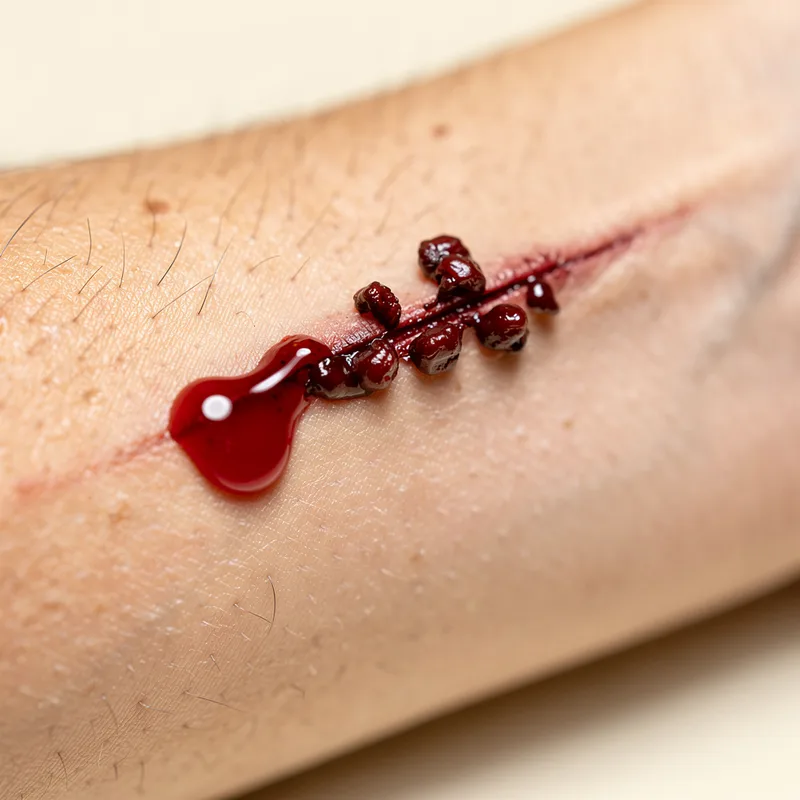
to clot
 4
5.3
4
5.3

- verb
- /klɑt/
- When you get injured, your body will naturally clot the blood to stop the bleeding.
- clot the blood
- clot the wounds
- ability to clot
Loading YouTube…
Watch on YouTubeVladimir Putin will no longer be receiving any bejeweled rapiers, nor shall any of his cream be clotted.
- Vladimir Putin will no longer be receiving any bejeweled rapiers, nor shall any of his cream be clotted.
Examples
-
A blood patch may be attempted to try to clot off the leak.
Academic text (2005) -
His blood was already beginning to clot.
Fiction book (2002) -
The blood had already begun to clot.
Fiction book (1997) -
Now, Eddie, if you don't stir it, it'll clot on ya.
-
The author postulates that the hyperhomocysteinemia predisposed this patient to clot formation in the left internal jugular vein, and this in turn led to the development of the Meniere's symptoms.
Academic text (2003) -
In cold temperatures, blood can clot more quickly, increasing the risk of complications.
-
The doctor explained how certain medications can affect the way your body clots blood.
Synonyms
 125
3.8
125
3.8
To become firm, often by cooling
 13
4.1
13
4.1
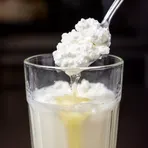
To become thick and form small lumps, like milk when it turns sour
 8
7.7
8
7.7
To make a liquid become thick or solid
 1
9.8
1
9.8
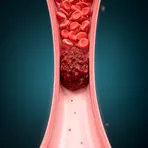
To stop blood flow when a blood clot blocks a vessel


 1
9.9
1
9.9
To form small clumps from tiny particles in a liquid
Antonyms

Compounds

- Specialized
33
3.8
A thick mass of blood that forms when it becomes solid and can block a blood vessel

- Specialized
1
3.8
A medicine that breaks up blood clots that block blood flow, often in the heart
How Solid

Surface Forms
Etymology
Clot (to make something thicken) has the same old English root clott meaning 'lump'. So to 'clot' something is to cause it to change from a liquid into a thick, solid mass.