

cinchona
- noun
- /sɪnˈkoʊnə/
- Specialized
- Quinine is derived from the bark of the cinchona tree, which has been used for centuries to treat malaria.
- cinchona bark
- cinchona tree
- South American cinchona
Examples
-
The medicinal properties of cinchona bark have made it a crucial resource in the fight against tropical diseases.
-
More important, however, was the dissertation on cinchona written in 1839 by William Dawson Hooker.
Academic text (2018) -
In traditional medicine, cinchona bark is highly valued for its alkaloids, especially quinine, which helps reduce fever.
Synonyms
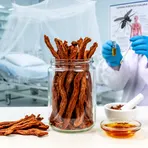
Dried bark from a tree used to make medicine for malaria

Dried bark from a South American tree that contains quinine used to treat malaria

Bark from a tree used to make medicine for malaria

Bark from a Colombian tree people used long ago to make medicine for malaria
Compounds
- Specialized
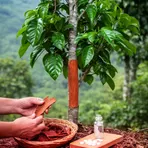
A South American bush or small tree with shiny leaves, grown for bark used to make the medicine quinine


- Specialized
A shrub or small tree from Peru with shiny leaves and scented flowers, grown for its bark used in medicine

- Specialized
A South American tree whose bark contains quinine that treats malaria

- Specialized
A small tree that has shiny leaves, pink flowers, and bark people use to treat malaria

A small South American tree with shiny leaves and pink flowers whose bark gives quinine

- Specialized
A group of South American trees whose bark gives quinine, a medicine for malaria
Surface Forms
Etymology
Cinchona probably gets its name from a Spanish noble family, the Countess of Chinchón, because one popular story says she was cured by the tree's bark in South America; people also used the local word quina, which gave the medicine quinine. So cinchona now means the 'bark' used to treat malaria.

