

chloride
 29
5.6
29
5.6

- noun
- /ˈklɔːraɪd/
- Specialized
- IV is established with sodium chloride.
- sodium chloride
- potassium chloride
- polyvinyl chloride
Loading YouTube…
Watch on YouTubeThis is the concentration of solid silver chloride in the solid.
- This is the concentration of solid silver chloride in the solid.
- But magnesium I would say want to focus on would maybe be magnesium chloride.
- OK, so the Maker's Mark I'm making will be my name Savage and I'm going to etch it into a piece of brass using some ferric chloride.
Examples
-
So what happens is we mix silver nitrate with sodium chloride in this glass mixture.
-
That's because when calcium chloride dissolves in water, it's exothermic, so it actually releases heat.
-
The sodium is net positive and the chloride is net negative.
-
So over here we have what we call the calcium chloride base people of the world.
-
Sodium mixed with chloride gives us...
-
Calcium chloride ions build up, break down the prints on the paint faster.
-
Here I'm going to add iron chloride to one of these flasks.
-
Combined with the potassium chloride in the salt substitute, we have created an equal exchange of ions.
-
Analysis was restricted to the measurement of lactate and chloride levels in the collected sweat.
Academic text (1993) -
When sodium combines with chloride, it forms table salt.
Compounds

- Specialized
5
4.3
A white salt that gives potassium to the body and is used in industry

- Specialized
3
2.3
White crystals that make food taste salty and are used in industry

- Specialized
1
5.1
A hard plastic used to make pipes, cable covers and credit cards


- Specialized
 1
4.6
1
4.6
A white salt used in some medicines, batteries, and chemical processes

- Specialized
1
7.4
A colorless gas used to numb skin for a short time and to make chemicals

- Specialized
1
7.5
A colorless liquid with a strong smell used to remove paint and clean equipment


- Specialized
A colorless liquid with a strong smell that evaporates easily and is used in chemistry to make medicines and perfumes
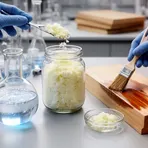
- Specialized
A white or yellowish solid that helps chemicals react and protects wood

- Specialized
A colorless liquid with a strong sharp smell used in chemistry to add a small chemical part to other molecules
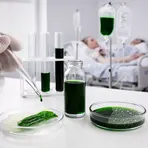
- Specialized
A dark green dye used to stain tissues, show chemical changes, kill germs and treat cyanide poisoning
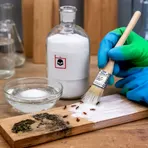

- Archaic
A white poisonous powder made from mercury once used as a medicine to make people empty their bowels

- Specialized
A poisonous white chemical once used to kill pests and preserve wood
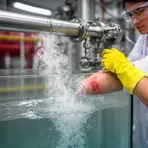
- Specialized
A colorless gas that makes a strong acid with water and can burn skin

- Specialized
A medicine used to treat poisoning from nerve gases like sarin or VX
- Specialized
A white chemical that does not dissolve in water and is used in photography, electrochemistry, and some medicines

How Chlorinated
- Specialized

- Specialized
29
5.6
Surface Forms
Morphology
chloride = chlorine (semi-transparent) = chlor + ide
Formed from the chemical element 'chlorine' with the technical suffix '-ide' used in chemical nomenclature; predictable for learners familiar with chemistry but technical for general learners.
Etymology
Chloride comes from chlorine, which comes from the Greek word chloros meaning 'green', and the ending -ide that marks a chemical compound. So a chloride is a compound containing the greenish element chlorine, like the chloride in table salt.