

cellulose nitrate
- noun
- /ˈsɛljʊloʊs ˈnaɪtreɪt/
- Specialized
- Early photographic films were made with cellulose nitrate, which proved to be highly flammable.
Examples
-
The furniture's glossy finish is due to a cellulose nitrate lacquer applied to the wood.
-
Many old photographs were printed on cellulose nitrate film.
-
Due to its explosive properties, cellulose nitrate must be stored and handled with great care.
-
The film was made from cellulose nitrate.
-
Due to its explosive properties, cellulose nitrate must be stored and handled with great care.
-
Early photographic films were made with cellulose nitrate, which is known for its high flammability.
-
The glossy finish of the furniture is created using a cellulose nitrate lacquer that enhances its appearance.
Synonyms
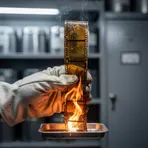
 4
8.6
4
8.6

A very flammable material made from chemicals with nitrogen and oxygen used in old movie film
 1
9.9
1
9.9
A very flammable chemical made from plant fiber used in old film, paint, and explosives


 1
9.9
1
9.9
A highly flammable material made from cotton and strong acid used in explosives and varnish

A strong, light material made from cotton treated with acid used in films and explosives
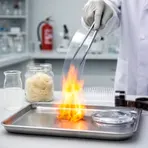
A very flammable chemical made from plant fibers used to make early plastics, film, and shiny coatings
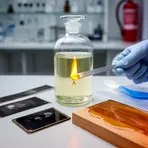
A very flammable chemical used to make photographic film, plastics, and varnish
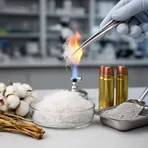
A chemical from plant material that burns easily and is used to make smokeless powder
How Flammable
- Specialized

- Specialized
1
4.1
Surface Forms
Morphology
The compound name is clearly compositional: 'cellulose' + 'nitrate' denotes the nitrate (nitrated) form of cellulose, so a learner who knows both constituents can infer it is a chemical derivative of cellulose. Although the full implications (e.g., high flammability, specific uses) are technical, the basic identity of the substance is directly predictable from its parts and follows standard chemical naming patterns.
Etymology
Cellulose nitrate is a literal name: it is cellulose, the material from plants, that was changed by a strong acid to add nitrate parts, creating a material that is 'very flammable'. That's why it was used for old film, lacquers, and even explosives.