

nitrate
 53
5.1
53
5.1

- noun
- /ˈnaɪˌtreɪt/
- Specialized
- The vegetation absorbs the nitrate and phosphate loads that are present in the stormwater.
- ammonium nitrate
- silver nitrate
- nitrate levels
Loading YouTube…
Watch on YouTubeNow, what happens to potassium nitrate when you heat it up?
- Now, what happens to potassium nitrate when you heat it up?
- Vegetables like lettuce and celery and beets contain huge amounts of nitrates.
- The ammonia is then used to create other forms of nitrogen, including ammonium nitrate and urea.
- Gunpowder contains sulfur, charcoal and potassium nitrate, nitrates.
- Nitrates carcinogenic, but here we have greens that have nitrates and those are good nitrates.
- I've got a couple of other videos on this channel about the the nitrate nitrite myth and how you can safely ignore that.
Examples
-
High tides flush much of the nitrates out into the bay, providing nutrients for aquatic life.
Academic text (1999) -
Sodium nitrate is commonly used as a preservative in processed meats.
-
Well, silver nitrate would do that, and artists have been using it for a thousands of years in their paint.
-
Now, what happens to potassium nitrate when you heat it up?
-
And ammonium nitrate is fine powder.
-
OK, so I'm just going to mop off the excess silver nitrate from the back of this plate.
-
So what happens is we mix silver nitrate with sodium chloride in this glass mixture.
-
The report concludes that regulatory actions to date have failed to contain nitrate pollution of groundwater.
Academic text (2012) -
Nitrogen, in the form of nitrate, can pollute groundwater and drinking water supplies.
Academic text (1996) -
We just take ammonium nitrate and iron powder and mix them together very vigorously.
Compounds

- Specialized
11
4.9
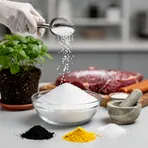
A white chemical used to help crops grow and to make explosives and rocket fuel
- Specialized
2
4.7
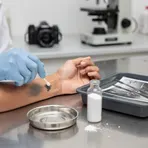
A white salt used to help plants grow, make explosives, and preserve food

- Specialized
1
4.0
A white substance people use as a fertilizer and to make explosives

- Specialized
A white salt that absorbs water from the air, dissolves in water, and is used as a fertilizer

- Specialized
A very flammable material made from plant fibers and a strong acid, used in lacquers, early photographic film, and explosives

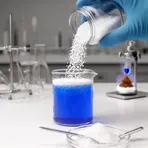
A white solid salt made from aluminium and nitric acid used in dyeing and laboratory work

- Specialized
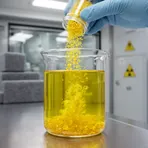
A yellow substance that dissolves in water, contains uranium and is used in nuclear labs
Surface Forms
Morphology
nitrate = nitric (semi-transparent) = nitr + ate
Built from the chemical combining form 'nitr-' plus the anion/salt-forming suffix '-ate'; clear to learners with basic chemistry knowledge but specialized for general B1 learners.
Etymology
Nitrate comes from the old word nitre, meaning 'salt', plus the ending -ate that chemists use for many 'salts'. So a nitrate is a kind of salt that contains nitrogen, which explains why nitrates are common in fertilizers and also used in explosives.