
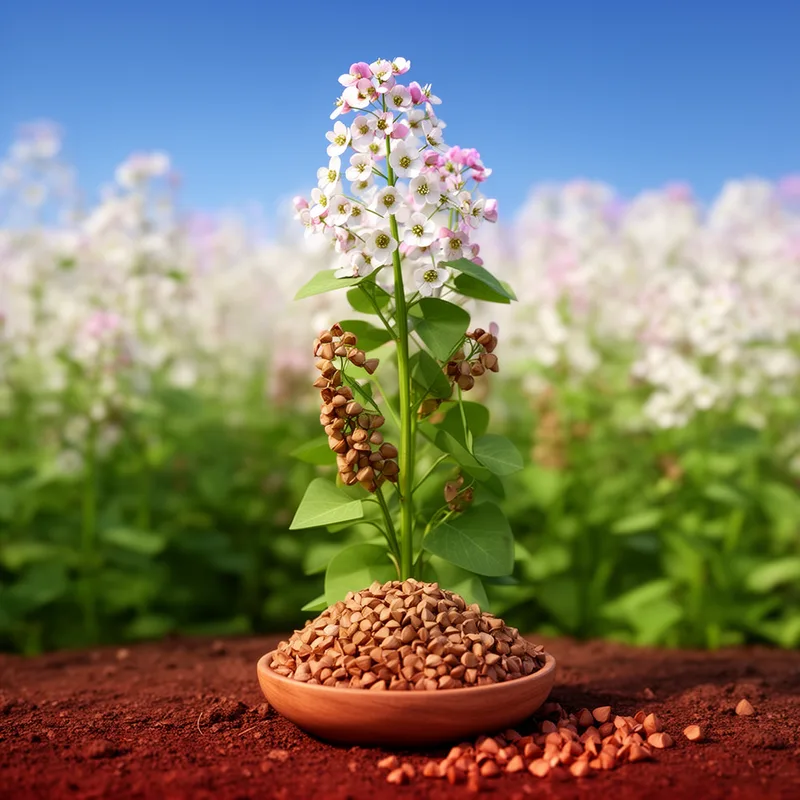
buckwheat
 3
6.3
3
6.3

- noun
- /ˈbʌkˌwiːt/
- "I have cut cord wood for forty cents a day and taken my pay in buckwheat."
Loading YouTube…
Watch on YouTubeIt's actually made from seeds of the buckwheat plant.
- It's actually made from seeds of the buckwheat plant.
Examples
-
It's actually made from seeds of the buckwheat plant.
-
Fields contain corn, buckwheat, and barley, and pastures are covered with wildflowers in the spring.
Academic text (1994) -
White pancakes for fall and spring; buckwheat pancakes for winter.
Fiction book (1992) -
OK, there's AP flour, buckwheat flour and bread flour.
-
I slept, ate buckwheat mush when it was spooned into my mouth, and slept again.
Fiction book (1999) -
A considerable amount of tourism-earned money is spent on purchasing Khumbu-produced potatoes, buckwheat, hay, and manure.
Academic text (1993) -
Oats, buckwheat, and rye also filled demanding agronomic niches in the old days.
Academic text (1994) -
Buckwheat and millet are both cooked in my slow cooker overnight for a nutty breakfast porridge.
Blog text (29) -
Milla walked slowly past the schoolhouse and the Methodist church, and at the mercantile bought a pound of buckwheat and some dried navy beans.
Fiction book (2002) -
Buckwheat is often used in pancakes and provides a healthy alternative to buckwheat flour.
Synonyms
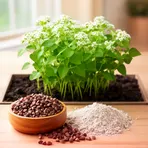
A yearly Asian plant that produces edible triangular seeds used whole or ground into flour
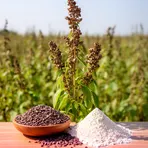
A plant with small triangular seeds that are eaten or ground into flour
Compounds


- Specialized
A group of plants that make flowers, for example buckwheat and rhubarb
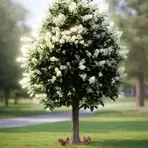
A tree from the southeastern United States with glossy leaves and clusters of white scented flowers
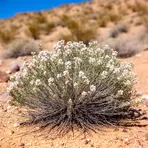
A low shrub with spreading branches and small clusters of flowers found in western United States deserts

A low bush with spreading branches and small flowers that grows in western United States deserts
Surface Forms
Etymology
The word buckwheat comes from an old name 'beech-wheat' because the plant's seeds look like small beech nuts rather than like regular wheat seeds. So the buck part is not about a 'buck' (deer) but comes from beech, and the name shows why we use buckwheat like a kind of wheat for food.