

bean plant


 1
1.4
1
1.4
- noun
- /biːn plænt/
- In several regions, bean plants are a common source of protein and are used in many traditional dishes.
- castor-bean plant
- tomato and bean plants
Examples
-
Farmers often grow bean plants in their gardens because they are easy to cultivate and provide nutritious seeds.
-
The early morning breeze blew through the vegetable garden in Union Square, shaking the leaves of the bean plants and the lacy carrot tops.
Blog text (32) -
For example, on a bean plant, can one leaf freeze and another not?
Academic text (1997) -
Now these bean plants might go into the garden, but as it's only mid February, I really don't think we'll put them in the garden.
-
Beetles lace our favorite bean plants.
Academic text (1994) -
She crouched among the bean plants and waited.
Fiction book (1997) -
In the Otavalo area, chocho bean plants are widely believed to act as a natural pesticide.
Academic text (1997) -
Today, November 1, we have green bean plants still in bloom, and tiny green beans hanging in clusters, maturing for meals in the expected upcoming 50+ degree days.
Blog text (31) -
In his tests in environmental chambers, kaolin-treated tomato and bean plants have withstood temperatures as low as 21 Fahrenheit (-6 Celsius).
Academic text (2000) -
To improve soil quality, gardeners often plant bean plants as they add nitrogen back to the earth.
Synonyms
 512
1.0
512
1.0
An edible seed or pod from plants like peas and lentils used for food
 57
1.8
57
1.8
A plant grown for its beans used to make food, animal feed, and oil
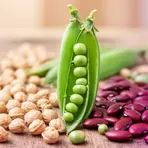 17
2.9
17
2.9
A plant with seeds in pods, like beans or peas, that people eat
 9
2.5
9
2.5
A flat pale green or white bean that people cook and eat
 1
2.1
1
2.1
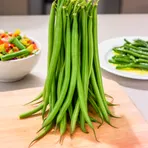
A long thin green vegetable that people eat cooked or raw
 1
3.1
1
3.1
A yellow bean with edible pods eaten as a vegetable
 1
3.3
1
3.3
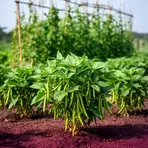
A low-growing bean plant that forms a compact shape and does not need support
 1
3.8
1
3.8
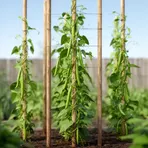
A climbing bean plant that wraps around supports like poles or trellises

A climbing or bushy vegetable that produces edible beans
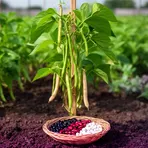
A plant that grows beans people cook and eat

A plant that grows pods with large flat beans people eat

A garden plant grown for its large flat beans that people or animals eat
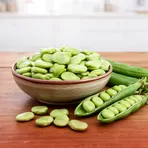
A large flat bean that people cook and eat, also called fava

A tall plant grown for large flat seeds eaten by people and fed to animals

A type of broad bean grown to feed animals
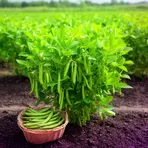
A bush that grows small flat beans you can eat, often served as a vegetable
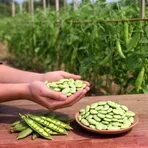
A small flat green bean or the plant that grows it eaten as food

A long green bean with very long pods used as a vegetable
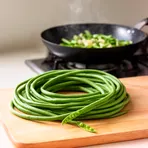
A long thin bean with pods you can eat, often used in Asian cooking

A long thin vegetable with yellow pods that you eat

A bushy plant grown in warm places for edible seeds and bean sprouts

A plant with seeds used to make food, oil, and animal feed

A plant that grows pods with seeds like beans or peas

A bean plant grown for the seeds that people eat, picked when ripe but not dry
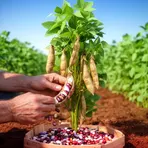
A plant that farmers grow for its edible bean seeds rather than its pod

A climbing plant with purple flowers and pods that hold edible seeds

A climbing plant with purple flowers and dark red pods that have edible seeds and are used as a vegetable

A plant from Europe that produces large flat seeds eaten by people and fed to animals
Surface Forms
Morphology
The phrase 'bean plant' is a straightforward noun–noun compound whose meaning (a plant that produces edible beans) is directly derivable from the meanings of 'bean' and 'plant'. This compositional, descriptive pattern is cross-linguistically common and follows regular English compounding, so a B1 learner who knows both words would readily understand it.
Etymology
The name bean plant comes from a very simple picture: a bean that grows on a plant. Imagine a green plant full of pods with beans inside, and the name means 'a plant that produces edible beans', which is how we use it today.