

assimilation


 1
6.8
1
6.8
- noun
- /əˌsɪməˈleɪʃən/
- Specialized
- In phonetics, assimilation often involves one sound becoming similar to a neighboring sound, like in 'input' pronounced as 'imput'.
- linguistic assimilation
- assimilation process
Loading YouTube…
Watch on YouTubeThese are really just these are all in the as the word assimilation suggests based on what is easier to say in the mouth.
- These are really just these are all in the as the word assimilation suggests based on what is easier to say in the mouth.
Examples
-
Recent scholarship has posited a rapid nineteenth-century decline of the public and private use of French and suggests strong linguistic assimilation of the Louisiana French by 1900.
Academic text (2000) -
Syllable deletions were also numerous (almost two on average for each child), whereas diphthong reductions, assimilation, stopping, and substitutions between similar sounds appeared only once on average in the children's productions.
Academic text (2012) -
One feature of running speech is that voicing assimilation may occur.
Academic text (2013) -
There are also, however, many other Arabic loans that have lost that initial all due to the process of linguistic assimilation and adaptation into the recipient language.
Academic text (2006) -
Many of these autobiographies provided moving accounts of each author's story of colonial surveillance by government protection boards, experiences of assimilation and segregation, material hardship, and ultimately triumphant survival.
Academic text (2016) -
During rapid speech, assimilation can make certain consonants blend together, such as saying 'ten bikes' as 'tem bikes'.
-
In language studies, examining assimilation helps to understand how sounds change during natural conversations.
Synonyms

A change in a sound in a word caused by a nearby sound

The blending of speech sounds or movements so one affects the next
Antonyms

- Specialized
Similar sounds in a word become less alike to make the word easier to say
Compounds
- Specialized
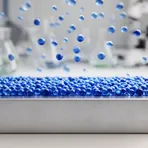
Small amounts of gas or liquid stick to a solid surface and form a thin layer
How Assimilated

Surface Forms
Morphology
assimilation = assimilate (semi-transparent) = as + simil + ation
The process of assimilation in linguistics is a specialized application of the general concept of making similar.
Etymology
Assimilation comes from an old Latin verb made of ad- 'to' and similis 'similar', like the English word similar. In language, it means one sound becomes more like a nearby sound, so the parts of speech 'become similar'.