
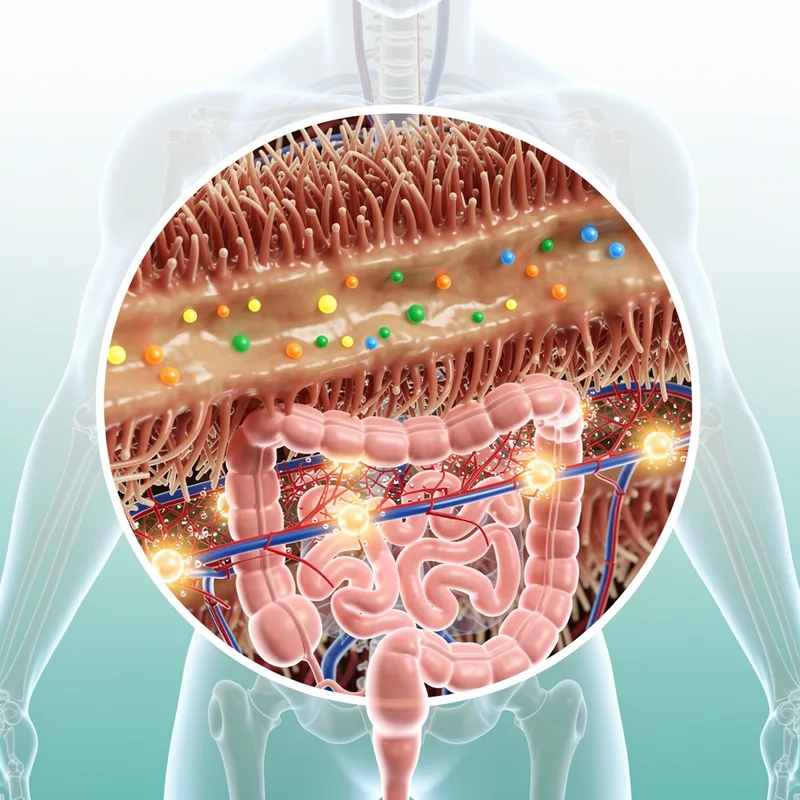
assimilation
 1
5.8
1
5.8

- noun
- /əˌsɪməˈleɪʃən/
- Specialized
- Vitamins and minerals play a significant role in the assimilation of essential nutrients.
- assimilation rate
Loading YouTube…
Watch on YouTubeSo basically we use enzymes to help with digestion, bioavailability and assimilation.
- So basically we use enzymes to help with digestion, bioavailability and assimilation.
- So the organs responsible for digestion, assimilation and elimination are made from the food that the people are eating itself, right?
Examples
-
Although PPFD was highest at 13:00, a drop of CO2 assimilation was observed (Figs. 1 and 2).
Academic text (2015) -
Life would no longer exist on Earth because all plants stop assimilation when the CO2 concentration falls below that value.
Blog text (9) -
This is where digestion and assimilation occur.
-
Traits affecting the assimilation and use of resources such as carbon, water, and nutrients directly influence plant growth.
Academic text (2000) -
So the organs responsible for digestion, assimilation and elimination are made from the food that the people are eating itself, right?
-
The body's ability to absorb nutrients during assimilation is crucial for maintaining good health.
-
After digestion, assimilation allows the body to utilize the nutrients from food effectively.
Synonyms
 10
3.9
10
3.9
The body takes nutrients from digested food into the blood
 6
5.1
6
5.1
The body takes in a substance like food or liquid
Antonyms

- Specialized
1
8.9
The body does not absorb nutrients from food properly, causing poor nutrition
Compounds
- Specialized
Small amounts of gas or liquid stick to a solid surface and form a thin layer
How Absorbed
- Specialized
1
5.8

- Specialized
1
8.9
Surface Forms
Morphology
assimilation = assimilate (transparent) = assimilate + ion
Formed by standard nominalization of the verb 'assimilate'; the biological sense 'absorbing nutrients' is a direct application of 'absorb/integrate'.
Etymology
Assimilation comes from an old Latin verb made of ad- 'to' and similis 'similar', like the English word similar. In the body, it means the nutrients from food are taken into and used by the body, so the food's parts become part of the body or 'like' the body's own parts.