
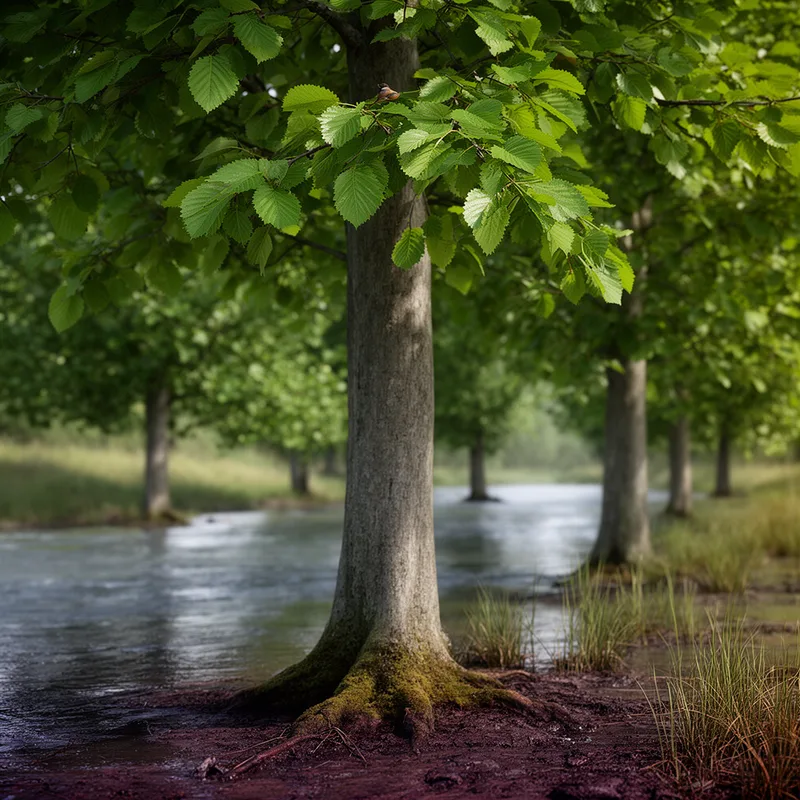
alder
 4
5.5
4
5.5

- noun
- /ˈɔːldər/
- The sturdy alder tree grows along the riverbank, providing shade and habitat for wildlife.
- alder tree
- alder thicket
- red alder
Loading YouTube…
Watch on YouTubeWith lidless eyes he saw before him the deep brown pool between the great buttress roots of an Alder.
- With lidless eyes he saw before him the deep brown pool between the great buttress roots of an Alder.
Examples
-
A sudden gust of wind blew down the canyon, rattling the leaves of the alders.
Fiction book (1998) -
I stare at the slender alders that fight for the light.
Fiction book (1996) -
Even so, the distribution of red alder is patchy, and it is absent from large areas.
Academic text (1997) -
Leaves were falling from the maple and alder, yellow and red against the hills of fir.
Academic text (1992) -
The tracks seemed to lead directly to the bear's favorite habitat of thick alder bush edging the smaller streams.
Fiction book (2002) -
Narrow as that strip was, its hedges of alder, sumac, and berrystalk always held game.
Fiction book (1994) -
A few conifers have established, but red alder (Alnus rubra) now has the greatest cover.
Academic text (1997) -
Oak and ash, alder and thorn, grew thickly around me, and their leaves underfoot muted my steps.
Fiction book (1998) -
What woody plants there are—willows, alders, and viburnums—are all less than fifteen feet tall.
Academic text (1992) -
The beaver had moved in, chewing through the birch, dragging down the alders, choking the outflow with their dams.
Fiction book (2000)
Synonyms

A tree with toothed leaves that often grows by rivers and has wood that resists rot
Compounds
- UK
A medium-sized tree that grows near rivers with small woody cones and leaves hairy underneath


A small tree that grows in wet places with shiny leaves, small green flowers, and black berries


- UK
A tree with toothed leaves that often grows by rivers and has wood that resists rot
A small tree or bush from northwestern North America with creamy white flowers and small purple-red berries

A medium-sized tree from Europe that grows near rivers and wetlands with dark bark and rounded leaves


- Specialized
A tree that loses its leaves each year with smooth gray bark and broad leaves
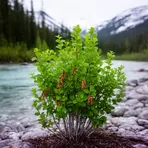
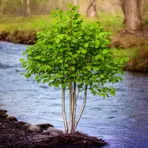
- US
A small tree or bush with smooth bark and rounded leaves that grows near streams in eastern North America
- Specialized
A large tree from the Pacific coast with smooth reddish wood used for furniture

- Specialized
A small tree or shrub with soft light brown wood that grows in wet coastal areas in the southeastern US
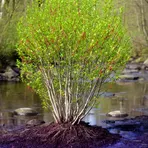
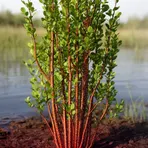

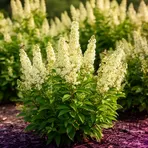
- Specialized
A group of flowering plants that includes Clethra and often has sweet-scented summer flowers

- US
A small shrub that loses its leaves in winter with white spring flowers and bright red or orange autumn leaves

- Specialized
A small insect with a white, wool-like covering that feeds on alder trees
Surface Forms
Etymology
The word alder comes from an old German word aliso that named a tree often found by rivers. People long ago noticed the tree's wood does not 'rot' easily in wet ground, so the name stayed for the riverside tree we know today.