
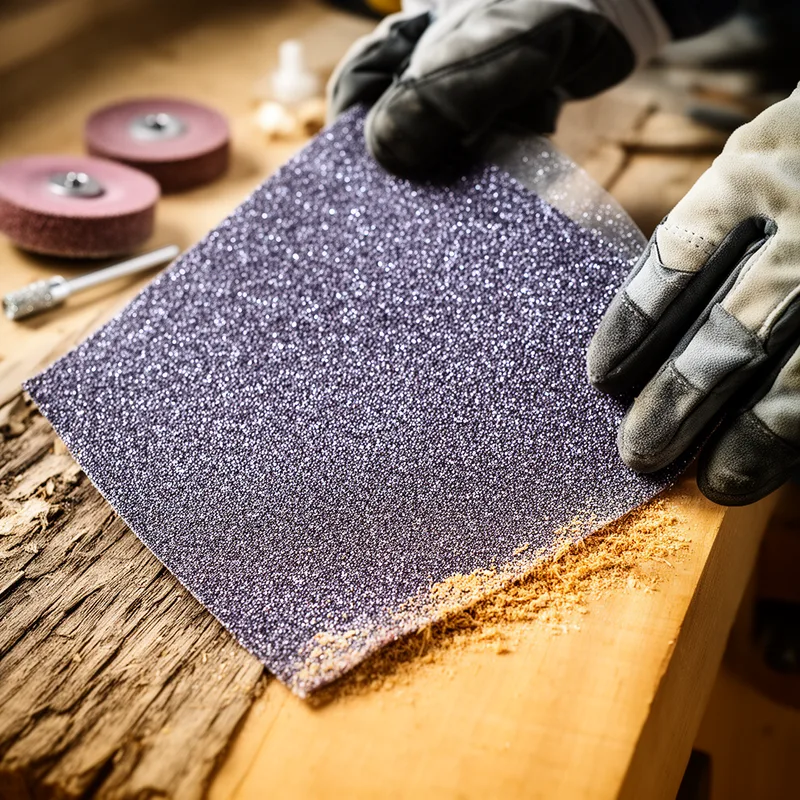
abrasive material
- noun
- /əˈbreɪsɪv məˈtɪriəl/
- Specialized
- Mechanics often use an abrasive material, such as grinding powder, to clean and smooth engine parts.
Loading YouTube…
Watch on YouTubeBut this is the process of taking a abrasive material like a nail file or sandpaper and then scratching that seed surface so they can germinate better.
- But this is the process of taking a abrasive material like a nail file or sandpaper and then scratching that seed surface so they can germinate better.
Examples
-
But this is the process of taking a abrasive material like a nail file or sandpaper and then scratching that seed surface so they can germinate better.
-
For polishing wood surfaces, you should use an abrasive material like sandpaper to achieve a smooth finish.
-
When preparing metal for painting, it's important to apply an abrasive material to remove rust and old paint.
Synonyms
 14
2.3
14
2.3

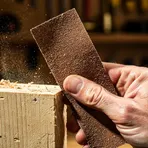
A strong paper with rough grains that you rub on wood or metal to make it smooth
 2
5.7
2
5.7
A material used to grind or polish surfaces by rubbing
 2
8.4
2
8.4
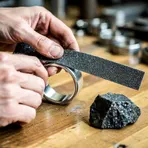
A hard dark rock used to make surfaces smooth by rubbing

Something that wears down or smooths a surface by rubbing
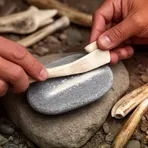
A stone people rub on other objects to smooth or sharpen them
How Abrasive
4
3.0
 1
5.1
1
5.1
- Specialized

 1
3.1
1
3.1
Surface Forms
Morphology
The noun phrase is directly and compositionally built from 'abrasive' (able to abrade by rubbing or grinding) + 'material' (a substance), so a learner who knows both words can infer it denotes a substance used for grinding/polishing. The adjective+noun composition is a regular, cross-linguistically common pattern, making the meaning immediately predictable for a B1 learner.
Etymology
Abrasive material comes from the simple idea that abrasive is something that scrapes and material means a substance, so imagine sandpaper rubbing hard against wood. Because it 'scrapes away' or 'wears down' a surface, the phrase means a substance used for grinding, polishing, or cleaning.