

March


 1
1.0
1
1.0
- noun
- /mɑrtʃ/
- I believe it was about March or April of last year
Loading YouTube…
Watch on YouTubeI believe it was about March or April of last year
- I believe it was about March or April of last year
- So really the spring season is really March, April, half of May.
- And then COVID happens in March and shuts it all down.
- It's been ongoing since March of last year.
- We launched this March, so it's kind of new.
- Those two things are the drop off of March, April and May data.
- It was in March or April of that year.
- These stocks, they didn't do so hot in March, April, and May.
- Yes, ideally before last March, which I think this still is.
- OK, So again, we said March, April, May, June, July.
Examples
-
And then COVID happens in March and shuts it all down.
-
So really the spring season is really March, April, half of May.
-
So we had planned that starting in March and then the world stopped.
-
So pretty busy month in in March, a lot going on.
-
We launched this March, so it's kind of new.
-
It's been ongoing since March of last year.
-
And I will see you the first weekend in March in Philly.
-
It's it gets cold at night in March in Yosemite.
-
This will not be a pleasant March in sandals.
-
Our annual family reunion is always held in March when the weather starts to warm up.
Compounds







- UK
1
5.1
A marching pace faster than walking and slower than running at about 120 steps per minute





The time around March 20 when day and night are nearly equal and spring begins in the Northern Hemisphere


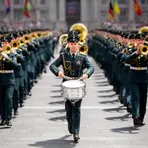



- Jargon
A piece of music that people play while they leave a formal ceremony like a wedding
How Late
 1
1.0
1
1.0
Surface Forms
Etymology
March comes from Mars, the Roman god of 'war', and the Romans called the month Martius. It was the time when armies began to move in spring, which links to the verb march (to walk in a line), so the month kept that name and became our third month.