

Japanese plum
- noun
- /ˈdʒæpəˌniːz plʌm/
- The Japanese plum thrives in subtropical gardens and is prized for its sweet, tangy fruit.
Examples
-
Her favorite dessert uses fresh Japanese plums picked straight from the tree.
-
We planted a Japanese plum in the backyard, and it bloomed beautifully this spring.
-
The Japanese plum tree thrives in warm climates.
-
I love the taste of Japanese plums in summer.
-
Her favorite dessert uses fresh Japanese plums picked straight from the tree.
-
We planted a Japanese plum in the backyard, and it bloomed beautifully this spring.
-
The Japanese plum thrives in subtropical gardens and is prized for its sweet, tangy fruit.
Synonyms


 1
9.1
1
9.1
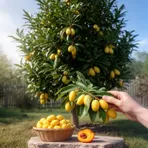
An evergreen tree grown for its small yellow edible fruit

An evergreen tree that makes small fuzzy yellow fruit with a large stone called loquat

A small evergreen tree that grows in warm places and makes sweet, fuzzy yellow fruit with a large seed
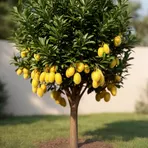
An evergreen tree with yellow, fuzzy fruit the size of an olive
Surface Forms
Morphology
The meaning 'a plum/tree associated with Japan' is directly and transparently derived from combining 'Japanese' (of or connected with Japan) and 'plum' (the fruit/tree). This is a regular adjective+noun composition indicating origin or type, so a B1 learner who knows both words will readily infer the MWE's meaning.
Etymology
Japanese plum names an evergreen tree from China and Japan, so imagine a glossy tree full of small, fuzzy yellow fruits that look like tiny plums. That's why the name means 'an evergreen tree native to China and Japan, grown in warm regions and producing small, fuzzy, yellow fruit with a large stone'.