
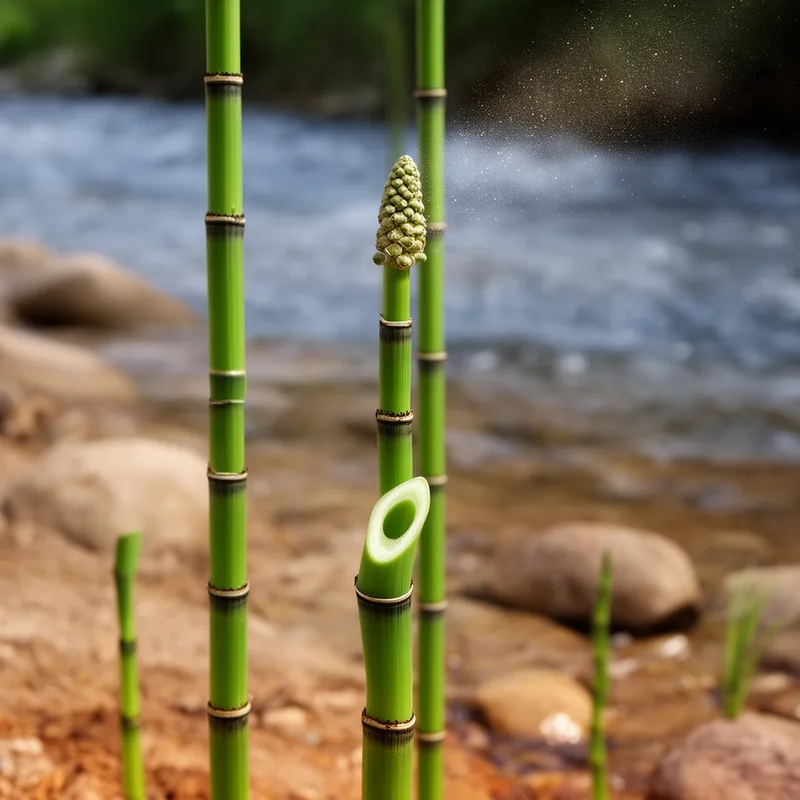
Equisetum
- noun
- /ˌɛkwɪˈsiːtəm/
- Specialized
- In the garden, I decided to plant Equisetum because of its unique, jointed stems.
- Equisetum horsetail
Examples
-
Equisetum, commonly known as horsetail, can be found in wetland areas around the world.
-
Fern and equisetum fifty feet high.
Fiction book (2002) -
The ancient plant, Equisetum, has been used for its medicinal properties for centuries.
Compounds
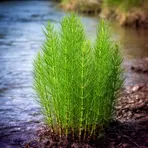
- Specialized
A horsetail plant with feathery, brush-like stems that often grows near water
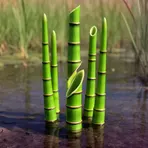
- Specialized
A green plant with hollow stems made of sections that grows in ponds and marshes
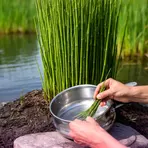
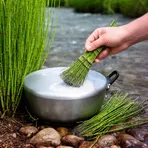
- Specialized
A green plant with thin rough stems once used to scrub pots and metal tools
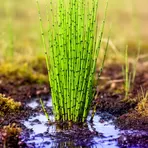
- Specialized
A green plant with thin jointed stems that grows in marshes and bogs
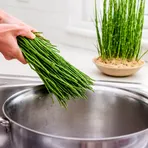
- Specialized
An evergreen plant with straight, rough stems once used to scrub pots
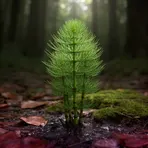
- Specialized
A green plant with many thin feathery branches that grows in damp woods

- Specialized
A small plant with thin jointed green stems and ringed branches that grows in wet northern places
Surface Forms
Etymology
Equisetum comes from Latin parts equus 'horse' and seta 'bristle'. It literally means 'horse's tail' and the plant's long, jointed stems look like a horse's tail, which is why we call these plants 'horsetails' today.

