
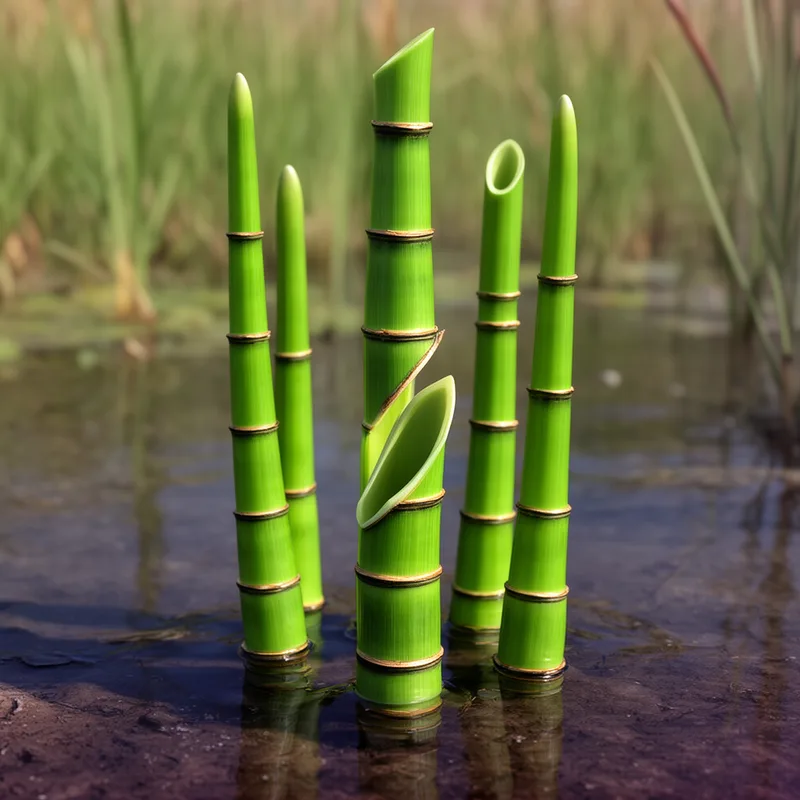
Equisetum fluviatile
- noun
- Specialized
- The stems of Equisetum fluviatile are hollow and easily recognized by their segmented appearance.
Examples
-
Equisetum fluviatile thrives in shallow ponds and marshes throughout northern Europe.
-
Botanists studied the growth patterns of Equisetum fluviatile in Canadian wetlands.
-
The Equisetum fluviatile thrives in wetland areas.
-
Many gardeners appreciate Equisetum fluviatile for its unique appearance.
-
Equisetum fluviatile grows abundantly in wetlands throughout northern North America.
-
In wetlands, Equisetum fluviatile is often mistaken for other types of horsetail plants.
-
The unique structure of Equisetum fluviatile makes it a resilient plant in waterlogged soils.
Synonyms

A plant that grows in lakes and ponds with hollow stems and branches around the stem
A tall green plant with hollow stems that grows in marshes
Surface Forms
Morphology
Equisetum + fluviatile
This binomial is compositional: Equisetum identifies the horsetail genus and the species epithet fluviatile means 'of rivers' or 'river-dwelling', so the combined label denotes a horsetail that lives in wet areas. Therefore a learner who knows both constituent meanings can directly infer 'water horsetail' (a wetland horsetail species), even though the epithet is Latin and uncommon for B1 learners in practice.
Etymology
Equisetum fluviatile comes from old Latin words that mean 'horse's tail' and 'of rivers': Equisetum points to the plant's long, thin stems in sections that look like a horse's tail, and fluviatile shows it grows by rivers and wet places. That's why the name fits this 'water horsetail' plant found in marshes and ponds.

