
Egyptian
 3
9.9
3
9.9

- noun
- /ɪˈdʒɪpʃən/
- Archaic
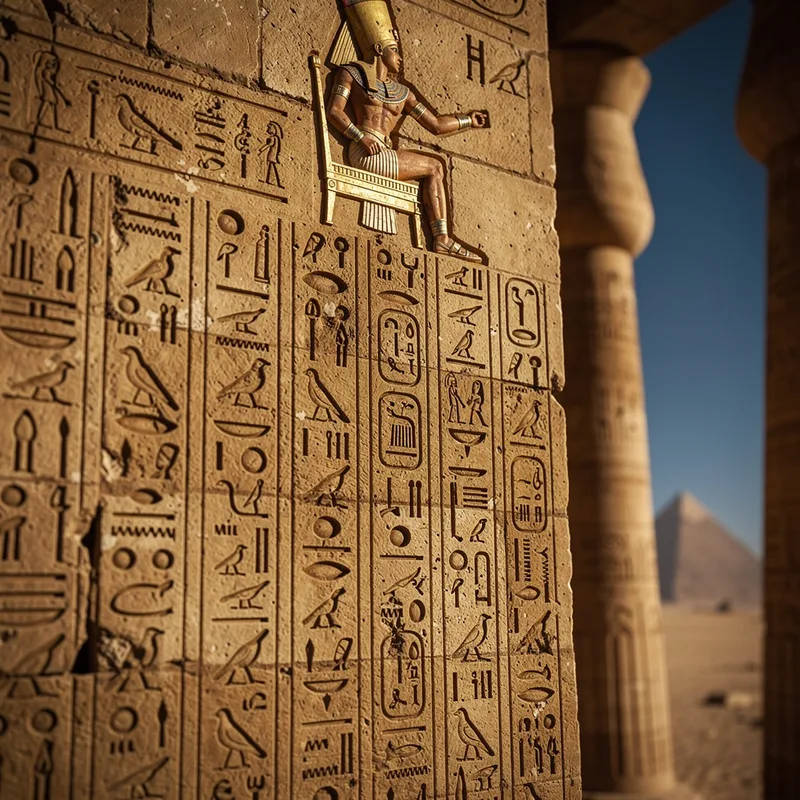
- The hieroglyphics found in the tomb reveal much about the ancient Egyptian culture.
- the ancient Egyptians
Examples
-
I used to wonder whether any ancient Egyptian was over 5 ft 2 height.
-
The first written word for brain came from the Egyptian hieroglyphics.
-
Whatever the method the ancient Egyptians used, it was a difficult process.
Academic text (2002) -
Such disasters were known to the Egyptians as "chaos."
Academic text (2003) -
Most ancient Egyptians were bound to various royal or temple establishments.
Academic text (2011) -
According to the historical record, the ancient Egyptians learned to harvest honey at least 6,000 years ago.
Blog text (7) -
Here, the notion of palimpsest refers to the parchment scroll used by the ancient Egyptians for the purpose of accounting.
Academic text (2009) -
But for ancient Egyptians, this 22-mile-long edge of the western desert from Dashur to Giza was one vast burying ground.
Academic text (2006) -
Many scholars study ancient Egyptian to understand the historical texts from thousands of years ago.
-
The ancient Egyptian language has provided insights into the civilization's beliefs and practices.
Synonyms

 1
9.9
1
9.9
A way people spoke and wrote in ancient Egypt that is no longer spoken
Idioms

- Informal
1
8.7
To move with bent arms and a stiff posture like the dance from the song
Compounds
 5
3.5
5
3.5
Cotton grown in Egypt with long fibers that is very soft, strong, and long-lasting



A tall plant from the Nile valley with strong stems used to make paper and mats



A small white vulture with a yellow face and thin bill that lives in Africa and southern Asia
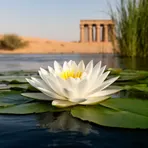
A white water lily that grows on water in Egypt and nearby regions, once sacred to the ancient Egyptians

- Indian
A climbing plant with purple flowers and dark red pods that have edible seeds and are used as a vegetable

- Indian
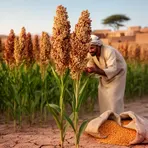
A grain plant called sorghum that people grow for food in dry regions of North Africa and Asia


An ancient kingdom along the Nile in northeast Africa ruled by kings called pharaohs


- Specialized
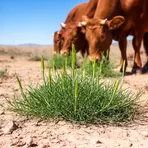
A poisonous plant from North Africa and the Middle East whose leaves people use in medicine

An Islamic group in Egypt that used violence to try to replace the government

A wild animal like a small dog from northern African deserts that hunts at night
Surface Forms
Morphology
Etymology
The word Egyptian also names the old language of the country Egypt, meaning 'of Egypt', so when we say 'Egyptian' about a language we mean the ancient language used by the pharaohs.