

Castanea
- proper noun
- /kæˈsteɪniə/
- Specialized
- During the fall, the leaves of the Castanea change color, creating a stunning display of yellow and orange.
- Castanea dentata
Examples
-
In the forest, you can find various species of Castanea, known for their edible nuts and beautiful autumn foliage.
-
Castanea spp.
Blog text (1) -
This pathogen subsequently devastated the American chestnut (Castanea dentata), the most important hardwood tree species in the United States (Smith 2000).
Academic text (2005) -
Chestnut (Castanea spp.) is a top-ranked cold-climate perennial staple with 3-5 tons per hectare yields.
Blog text (1) -
The Castanea trees provide shade and sustenance for wildlife in the region.
Compounds
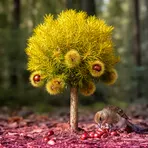
- Specialized
A small evergreen tree from the Pacific coast of North America with shiny yellow-green leaves and edible nuts


- Specialized
A large tree that loses its leaves each year, native to eastern North America and known as the American chestnut

- Specialized
A chestnut tree from China and Korea that makes sweet nuts you can eat
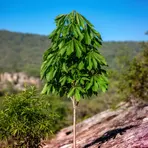
- Specialized
A small tree from the Ozark Mountains with larger leaves than the Allegheny chinkapin

- Specialized
A small chestnut shrub that produces edible nuts in the southeastern United States
Surface Forms
Etymology
Castanea comes from the Latin word castanea, which means 'chestnut' and goes back to the Greek kastanon. It is the scientific name for the group of chestnut trees, so the name literally points to the nuts those trees produce.

