
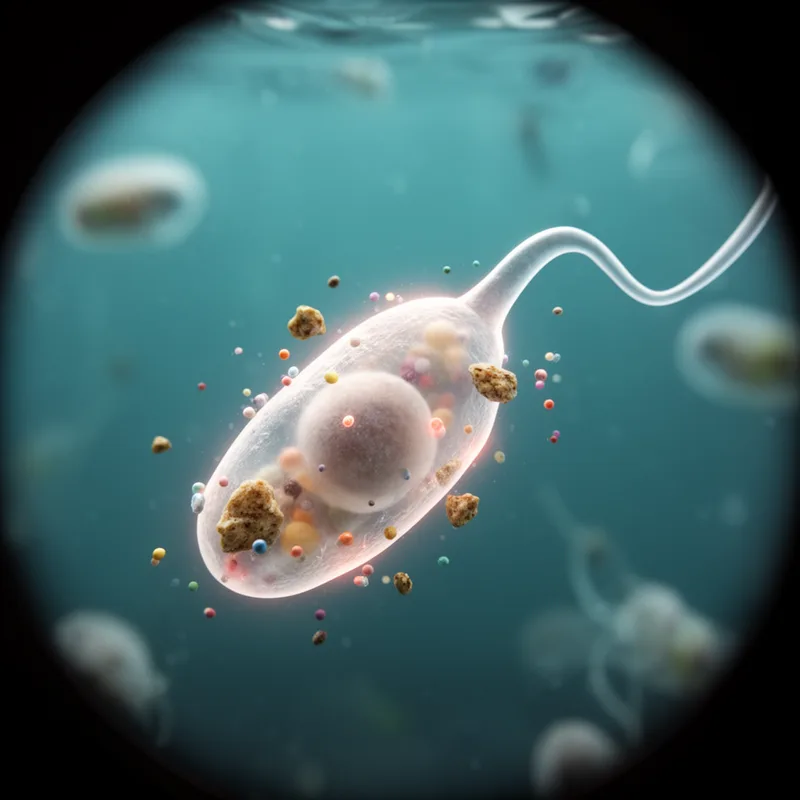
zooflagellate
- noun
- /ˌzuːoʊˈflædʒəˌleɪt/
- Specialized
- Some zooflagellates live in the digestive tracts of termites and help break down cellulose.
Examples
-
Researchers observed a zooflagellate swimming rapidly under the microscope.
-
Unlike plant-like flagellates, zooflagellates obtain nutrients by absorbing them from their environment.
-
A zooflagellate is a type of protozoan.
-
The zooflagellates observed in the water sample were fascinating.
-
Researchers observed a zooflagellate swimming rapidly under the microscope.
-
Some zooflagellates live in the digestive tracts of termites and help break down cellulose.
-
Unlike plant-like flagellates, zooflagellates obtain nutrients by absorbing them from their environment.
Synonyms
 1
9.9
1
9.9

A tiny living thing made of one cell that moves with whip-like tails
A tiny single-celled animal-like creature with a tail for movement that does not make its own food
A single-cell creature that moves with tail-like parts and can cause disease in people

A one-celled organism that moves with whip-like tails and can cause disease in animals or people

A single-celled organism that moves using whiplike tails and sometimes causes disease in people
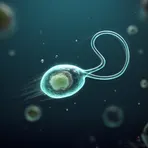
A cell with one or more long tails it uses to move
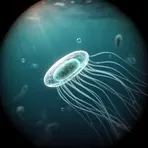
A tiny single-celled creature with many long tail-like parts it uses to move
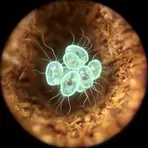
A group of tiny single-celled organisms with tail-like flagella that often live as parasites
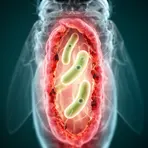
A single-celled organism that lives in insects and can harm them
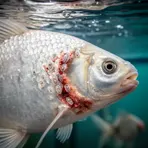
A tiny parasite that lives on and harms freshwater fish
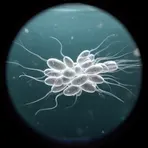
An old biology group of tiny animal-like cells that move with thin tails
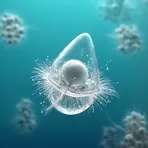
A single-celled water organism with a collar of tiny moving hairs used to catch food and closely related to animals
Surface Forms
Morphology
zooflagellate = flagellate (transparent) = zoo + flagellate
Formed from the combining form 'zoo-' (animal) + 'flagellate' (an organism with flagella), so the meaning 'animal-like flagellate' is directly derivable.
Etymology
Zooflagellate comes from zoo- ('animal') and flagellum ('whip'), the little tail many tiny cells use to swim. So a zooflagellate is an animal-like single cell that moves with a whip-like tail and does not make food from light, which helps you remember it is not plant-like.