
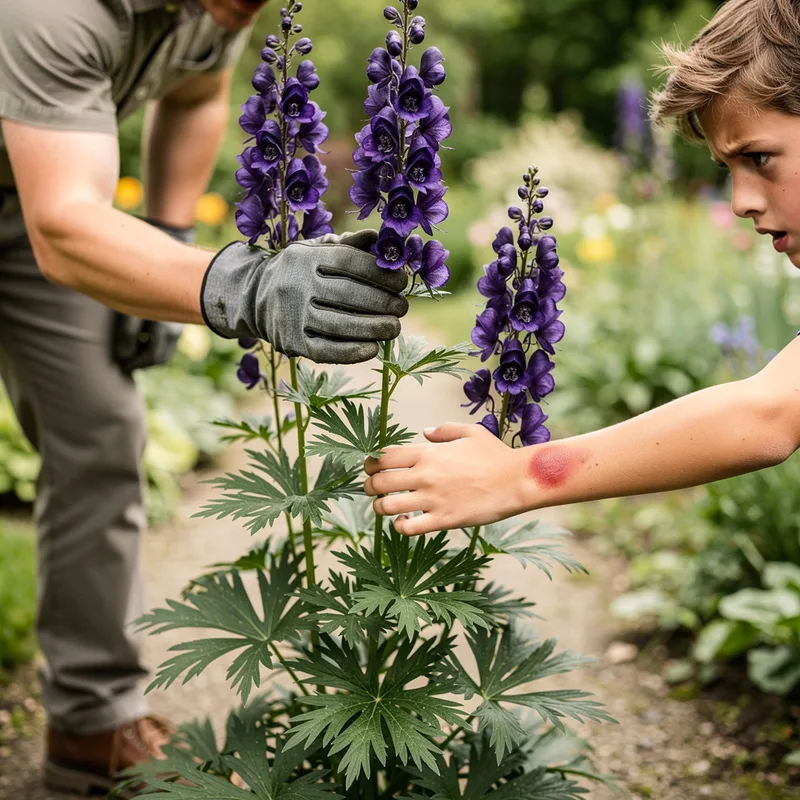
wolfsbane
 4
9.9
4
9.9

- noun
- /ˈwʊlfsˌbeɪn/
- Miss Mina, both this room and your bedroom have been prepared with wolfsbane.
- wolfsbane and monkshood
Examples
-
In folklore, wolfsbane is often associated with spells and potions.
-
What is the difference between monkshood and wolfsbane?
-
Miss Mina is to wear this wreath of wolfsbane when she goes to bed.
-
He contemplated the use of bell-topped stalks of wolfsbane, the plant made famous by the poisoner of Passerale.
Fiction book (1992) -
Among plants he passionately favored what he called "Estonian orchids," which meant wolfsbane, monkshood, and lady's slippers, flowers of that sort.
Fiction book (1993) -
Wolfsbane is a wolfsbane plant that should never be ingested.
-
The hiker was warned that wolfsbane could be harmful if touched.
Synonyms
 2
9.9
2
9.9
A poisonous plant with blue or purple flowers shaped like a hood


 1
9.9
1
9.9
A poisonous plant that lives for many years with yellow flowers and broad rounded leaves
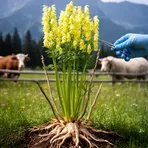
A poisonous plant that lives for many years with yellow flowers found in Europe and Asia

A poisonous plant with hood-shaped flowers that grows in cool Northern regions
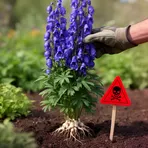
A poisonous garden plant with blue-purple hooded flowers whose leaves and roots are dangerous if eaten

A poisonous plant with hooded blue-purple flowers that grows in northern Europe
Surface Forms
Morphology
Etymology
Wolfsbane comes from Old English parts wolf and bane, where bane means 'poison' or 'cause of death'. So it was a plant used to kill or keep away wolves, and today wolfsbane means a poisonous plant and is tied to old stories about werewolves.