
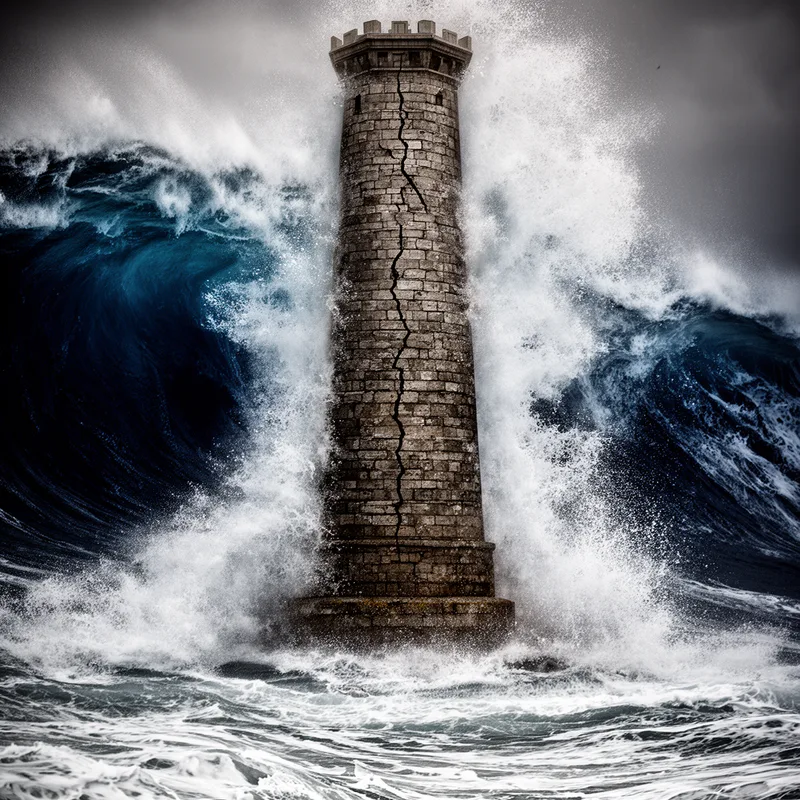
to withstand
 122
4.2
122
4.2

- verb
- /wɪðˈstænd/
- These ancient ruins have managed to withstand the test of time and remain a popular tourist attraction.
- able to withstand
- withstand scrutiny
- withstand pressure
Loading YouTube…
Watch on YouTubeCan our gingerbread houses withstand the test of time?
- Can our gingerbread houses withstand the test of time?
- I was told that it could withstand an atomic bomb.
- The question is, can we withstand the pressure to speak?
- I would say that an arrow probably would not withstand that much of A bend.
- Second thing is it can withstand full sun to part sun.
- It's we, we know how to build structures that can withstand extreme weather.
- I'll show how his factual claim does not quite withstand scrutiny.
- Just make sure you can withstand the cash flow storm.
- Also to withstand all types of different winds and storms.
Examples
-
The heat exchangers are very compact and can withstand very high pressure and high temperatures.
Academic text (2012) -
"Our ship is designed to withstand the heat and radiation near the stellar surface."
Fiction book (2000) -
The question is, can we withstand the pressure to speak?
-
Only I can withstand the force.
-
Would they have the capacity to withstand that level of shock and attack?
-
Just make sure you can withstand the cash flow storm.
-
Today, many buildings and roads are designed to withstand even violent shaking.
Academic text (2011) -
Can our gingerbread houses withstand the test of time?
-
Scholarly writings, on the other hand, withstand the test of time very well.
Academic text (1991) -
The geranium is a hardy flower and will withstand the severest of weather, except extreme frost.
Synonyms
 ∞
3.1
∞
3.1
To resist harm and continue to exist despite difficulty
 ∞
2.7
∞
2.7
Continue to exist after a dangerous or difficult event
 304
3.5
304
3.5
To deal with something difficult for a long time without giving up
 178
3.7
178
3.7
Openly refuse to obey someone or seem to resist a force like time
 163
3.7
163
3.7
To remain strong or effective under pressure
 139
3.7
139
3.7
To refuse to give up until you get what you want
 61
3.0
61
3.0
Hold up against stains, heat or storms
 48
5.2
48
5.2
To stay strong until a difficult time ends
 31
4.5
31
4.5
Withstand a drug or condition without bad effects
 22
3.7
22
3.7
Keep your decision or opinion when others try to make you change

Manage to get through a difficult situation
Antonyms

How Resistant

Surface Forms
Morphology
Etymology
The word withstand comes from old English parts: with- meaning 'against' and stand meaning 'to stand'. Imagine someone standing firm against a strong wind; to withstand something is to 'stand against' it and not be harmed or moved.