
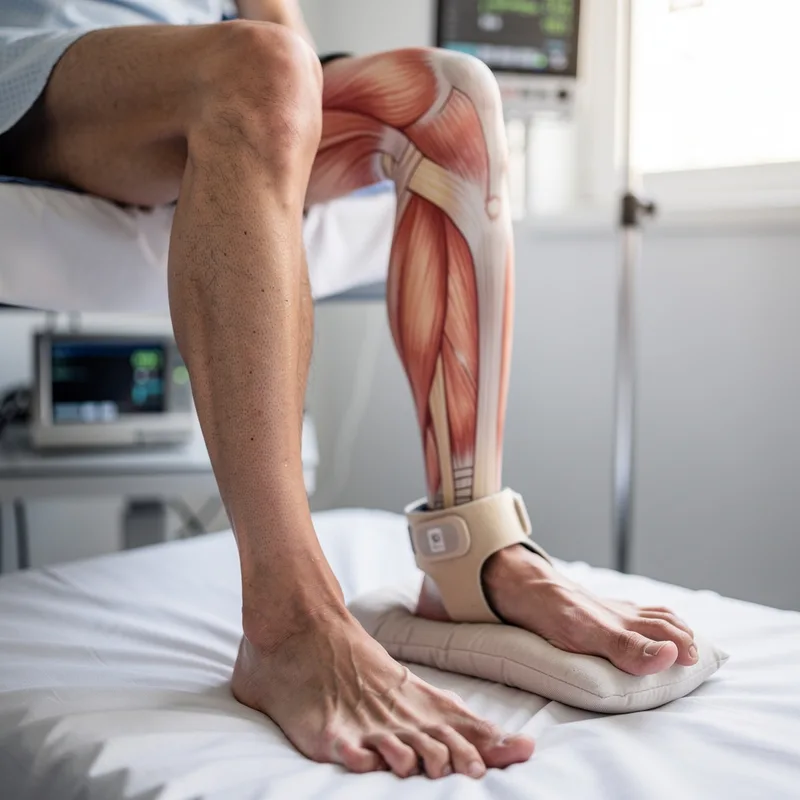
wasting away
 2
7.5
2
7.5

- noun
- /ˈweɪstɪŋ əˈweɪ/
 :
desgaste
:
desgaste
- But what we want here is a way to cure or reverse this wasting away process.
- just wasting away
Examples
-
His body was wasting away.
Fiction book (1995) -
I never could picture Judge old and weak... wasting away.
Fiction book (2002) -
Since the long and terrible wasting away of my mother, I have been a coward whenever faced with death.
Fiction book (2001) -
With food so scarce, all around them, chicks are wasting away.
-
Perhaps she's more of a challenge for you than any of the children you care for who are wasting away physically.
Fiction book (1990) -
It was a time of dying, everybody wasting away, always too cold, too hungry, too sick, too burdened down with grieving.
Fiction book (1990) -
I am so very frustrated and have an overwhelming feeling of helplessness as I have watched so many waste away and die from this horrifying disease.
Blog text (5) -
The doctor explained that her condition was causing her organs to wasting away due to lack of nutrition.
-
After months of illness, he began wasting away, losing both weight and strength.
-
Without proper care, the patient showed signs of wasting away as her health deteriorated.
Synonyms
 439
3.9
439
3.9
A gradual loss in amount, quality, or value
 247
1.3
247
1.3
A gradual reduction in amount or size
 43
5.9
43
5.9
A slow change when something like a building or a person's health becomes worse
 40
5.3
40
5.3
A decrease in how much of something is left, often until it is used up
 12
8.5
12
8.5
A gradual loss of muscle or body tissue from not being used
 8
7.5
8
7.5
A process of becoming worse in condition, quality, or morals
 1
6.7
1
6.7
A gradual loss of strength and life from lack of use
 1
5.2
1
5.2
A slow decrease in size, number, or strength


 1
6.0
1
6.0
A gradual decrease in size or strength

Loss of body weight and muscle that makes a person weak

Loss of muscle that gets worse over time, often from nerve damage
Antonyms


How Severe

Surface Forms
Morphology
The concept 'a gradual decrease in size or strength' is directly built from 'waste' (to become thin/weakened) plus the particle 'away' (indicating disappearance or fading), so the overall sense of gradual loss is compositionally predictable. This verb + particle pattern is common in English and across languages, so a B1 learner who knows both constituents will very likely infer the meaning.
Etymology
Wasting away comes from the strong image of a body part slowly wasting and disappearing away, as if it is being used up little by little. That's why the noun means a 'slow loss of size or strength' in an organ or tissue.