
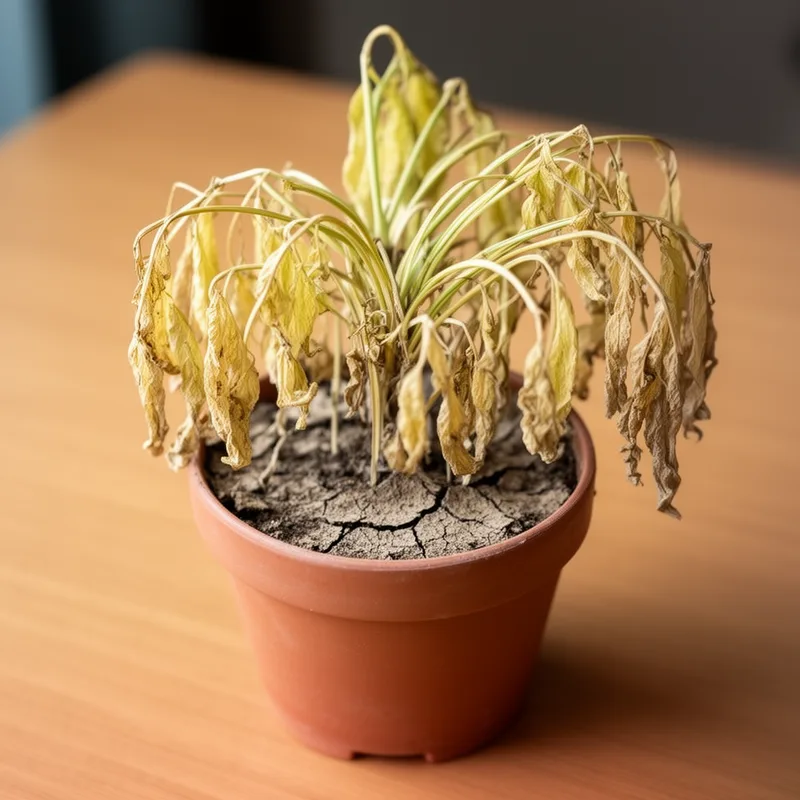
to waste away
 7
5.5
7
5.5

- phrasal verb
- /weɪst əˈweɪ/
- All that chemo, all that radiation they gave him made him just waste away like he was a skeleton.
- watch him waste away
- just waste away
- waste away and die
Loading YouTube…
Watch on YouTubeAnd in those rats he found ulcers, their thyroid gland wasted away.
- And in those rats he found ulcers, their thyroid gland wasted away.
Examples
-
If he doesn't eat, he'll waste away like his father did.
Fiction book (1992) -
Without proper nutrition, she started to waste away and lost her strength quickly.
-
So, why does the human continue to waste away?
-
His body continued to waste away.
Fiction book (1995) -
Not long after she moved to her new house, Miss Jane began to waste away.
Fiction book (1990) -
The poor girl was wasting away, unable to do much because of the pain.
Blog text (30) -
Your grandfather wasted away after your mom died.
-
She wasted away in front of his eyes.
-
Ruth had feared that Naomi would waste away in grief.
Fiction book (2001) -
The earth mourns and dries up, and the crops waste away and wither.
Blog text (32)
Synonyms
 143
5.1
143
5.1
To become thin and weak because of illness or a lack of food
 91
4.4
91
4.4
To become dry and weak, as with plants or feelings
 48
6.4
48
6.4
To become less in size, amount, or strength
 32
7.2
32
7.2
To become weak and lose energy because of neglect or sadness
 16
4.2
16
4.2
To slowly become weaker or fall apart because it is not cared for
Antonyms


How Thin

Surface Forms
Morphology
The verb 'waste' (to become thin or weakened) combined with the particle 'away' (indicating disappearance or gradual removal) yields the sense of gradually losing strength or flesh; the meaning is directly derivable from the constituents. This verb + particle compositional pattern is common in English and cross-linguistically paralleled, so a B1 learner who knows both words will likely infer the MWE meaning.
Etymology
Waste away comes from a simple image: something is slowly used up, waste, and goes away, like a plant left without water or a person losing weight while ill. That's why it means 'to become weak and thin' over time.