

vena pulmonalis superior
- noun
- /ˈviːnə pʌlˈmoʊnəlɪs suˈpɪrɪər/
- Specialized
- The vena pulmonalis superior drains blood from the upper lobe of each lung.
Examples
-
The vena pulmonalis superior carries oxygenated blood from the lungs.
-
Each vena pulmonalis superior connects to the left atrium.
-
An obstruction in the vena pulmonalis superior can lead to poor oxygenation of blood.
-
Surgeons carefully avoided damaging the vena pulmonalis superior during the procedure.
-
The vena pulmonalis superior drains oxygenated blood from the upper lobes of the lungs into the left atrium.
-
Surgeons need to ensure that the vena pulmonalis superior remains intact during heart surgery to maintain proper blood flow.
-
An obstruction in the vena pulmonalis superior can significantly affect respiratory function.
Synonyms
 1
3.8
1
3.8

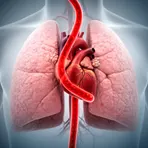
A vein that carries oxygen-rich blood from the lungs to the heart
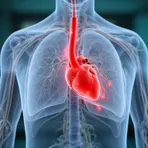
A vein in the top of a lung that carries oxygen-rich blood to the left upper part of the heart

A vein that carries oxygen-rich blood from the lungs to the left side of the heart
Surface Forms
Morphology
The term is a compositional anatomical label: 'vena' = a blood vessel/vein, 'pulmonalis' = relating to the lungs (cognate with English 'pulmonary'), and 'superior' = upper, so the overall meaning ('upper pulmonary vein') is directly derivable from the parts. Although 'pulmonalis' is a Latin technical form and may be absent in basic dictionaries, its relation to the common adjective 'pulmonary' makes the construction transparent to learners who know the constituent meanings.
Etymology
Vena pulmonalis superior comes from Latin words: vena ('vein'), pulmonalis ('of the lung'), and superior ('upper'). It paints a simple picture—the 'upper lung vein' that carries blood from the top part of each lung back to the left side of the heart, so the name directly matches its modern meaning.