to unhitch

to unhitch

4 5.7
To take off something that is attached to another thing, like a trailer or bicycle
  • verb
  • /ʌnˈhɪtʃ/
translation icon : desenganchar
  • After finishing the journey, we need to unhitch the horses from the carriage.

Examples

Synonyms

to untie
vsto unhitch
91 1.0

Make a knot or lace loose by undoing it

is the broader release action that covers more than knots
to pull off
vsto unhitch
41 2.7

To take something off from where it is attached

is the general release that covers many methods of detaching
to unhook
vsto unhitch
35 2.5

To take something off where it hangs, like a coat or necklace

is the broader act of releasing from any such attachment
to unhand
vsto unhitch
  • Literature
18 8.6

Let go of someone or something you are holding

is the general freeing action from attachments rather than physical grip
to unbuckle
vsto unhitch
11 3.2

Undo the part that holds a belt or strap closed

is the general freeing action beyond just clasped fastenings
to unlatch
vsto unhitch
7 3.2

Open something by lifting or releasing a small catch that holds it closed

is the wider freeing action beyond only latch mechanisms
to unfasten
vsto unhitch
5 3.4

To open something by undoing a button or zipper
is the same general act specifically about removing attachments
to unstrap
vsto unhitch
4 3.9

To take off a belt or band that holds something in place

is the broader act of letting something go from any fastener
to unbind
vsto unhitch
3 6.4

To free something by untying ropes or cords

is focused more generally on removing any kind of attachment
to unbolt
vsto unhitch
3 3.7

To move a metal bar or lock that keeps a door closed

is the general release of attachments beyond sliding locks
to unlace
vsto unhitch
3 3.8

To untie strings that close shoes or clothing

is a wider release action not limited to lace fastenings
to unbridle
vsto unhitch
2 8.8

Take the bridle off a horse

is the general act of releasing attachments rather than animal gear
to unsaddle
vsto unhitch
1 6.0

Remove the saddle from a horse or other animal
is the general act of releasing a fitted object from a fastener
to unsnap
vsto unhitch
1 4.2

Open something that closes with a small button, like a purse or jacket

is the general removal of an attachment, not only snaps
to unpin
vsto unhitch
1 4.1

To take a pin out so something is no longer attached

is the broader act of releasing from attachments, not only pins
to unsheathe
vsto unhitch
  • Literature
1 8.1

Take a weapon like a sword or knife out of its cover

is the general release action, not only for sheathed objects
to untether
vsto unhitch
1 6.6

To release something that is tied or fastened so it can move away

is the general action of releasing something from an attachment
to unattach
vsto unhitch
1 6.1

To separate something from what it is connected to

is the same release idea but usually for a hitch style fastening
to unmoor
vsto unhitch
1 8.3

To release a boat or ship from its ropes so it can move
is the general release action beyond the nautical context
to unbrace
vsto unhitch
1 8.1

To remove a support that holds something in place
is the broader act of releasing attachments, not only supports
to unclamp
vsto unhitch
  • Specialized
1 5.1

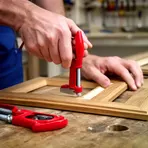
To loosen or remove a clamp that holds something

is the general action of releasing attachments, not only clamps
to unhook the latch
vsto unhitch
1 5.0

To open a gate or window by taking off the small catch that holds it closed

is the broader action of releasing attachments not limited to latches
to unlash
vsto unhitch
7.4

Untie rope or straps that hold something in place
is the general release action not limited to rope or cord
to unpeg
vsto unhitch
6.1

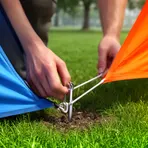
To remove a peg that holds something like a tent

is the general freeing action beyond just peg removals
to unyoked
vsto unhitch
7.7

To remove the bar or strap that joins two animals so they can move apart

is the general release action not only for harness structures
to unyoke
vsto unhitch
9.9

To take the wooden bar off an animal that pulls a plow or cart

is the broader removal action not restricted to harness gear
to unrein
vsto unhitch
9.9

To take the reins or other ties off something so it can move

is the broader releasing action not limited to rein-like controls
to unbend
vsto unhitch
  • Specialized
9.9

Remove a sail from a pole or rope that holds it

is the wider act of releasing items from attachments, not just sails
to unrig
vsto unhitch
6.7

Remove ropes, sails, and other equipment from a boat or vehicle

is the general freeing action that can apply in many contexts
to undrive
vsto unhitch
9.9

To pull out a nail or stake pushed into something

is the wider removal action beyond objects driven into surfaces
to untack
vsto unhitch
8.4

To pull small nails or pins out of something
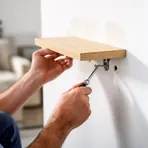
is the general freeing action, not limited to tacks
to unfix
vsto unhitch
6.8

Take something off a wall or surface

is the same release idea but often used for simple attachments
to unrack
vsto unhitch
7.1

To take something off a rack, like a coat or bicycle
is the general action of releasing from attachments, not only racks
to unclick
vsto unhitch
6.6

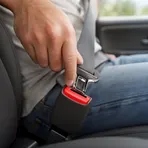
To release a catch or latch, for example a seatbelt

is the general act of making something free from its fastening
to unsling
vsto unhitch
7.1

To take something off a strap or your shoulder

is the broader act of freeing items from attachments, not just slings

Antonyms

459 2.5

To join or fasten one thing to another so they stay together

35 4.5

To fasten a trailer or equipment to a vehicle

How Attached

to attach
459 2.5
to unhitch
4 5.7
to detach
16 4.0

Surface Forms

unhitch infinitive
unhitched past
unhitched past participle
unhitching present participle
unhitches third person singular

Morphology

unhitch = hitch (transparent) = un + hitch

Formed by the productive prefix 'un-' plus 'hitch', meaning 'reverse the action' is directly derivable for learners.

Etymology

Unhitch starts with un- meaning 'remove' and ends with hitch, which means a 'fasten' or 'hook', so to unhitch something is to take it off its attachment, like taking a trailer off a truck.