

uncouth
 10
8.4
10
8.4

- adjective
- /ʌnˈkuːθ/
- Offensive
- His uncouth manners at the dinner table shocked everyone around him.
- rough and uncouth
Loading YouTube…
Watch on YouTubeI mean, to the Greeks, the Romans are these uncouth, sort of savage Barbarians.
- I mean, to the Greeks, the Romans are these uncouth, sort of savage Barbarians.
- It's probably more uncouth and looked down on generally by society.
- That is a coarse and boorish piece of work only for the most uncouth natures.
- Calvin, you know when when I start being flippant about stuff, You're just uncouth.
- It was then that we hear go on girls along with cheering come from a group of said uncouth London youths standing by the ticket station.
Examples
-
At heart, she's uncouth, devoid of delicacy.
-
The man shouted at him, but he didn't want to have anything to do with such an uncouth person, so he ignored him.
-
It's probably more uncouth and looked down on generally by society.
-
- He can be a little uncouth sometimes.
-
Your emotions are too delicate at this moment for this uncouth place.
-
I suppose that uncouth young man will appear now and attempt to seduce you.
-
Christof, please pardon my friend's uncouth behavior.
-
You are rude and uncouth and presumptuous and I am leaving now, Jack.
-
Yet the four Sheeby sisters thought he was uncouth, if amusing and talented.
Academic text (1991) -
He's dull, he's uncouth and he's extremely human.
Synonyms
 182
5.7
182
5.7
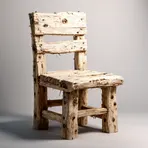
Low quality and often rude in style
 52
6.1
52
6.1
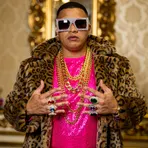
Showing little good taste or refinement in style
 15
6.7
15
6.7
Not suitable for a situation or for what people expect
 14
4.2
14
4.2
Rude in behaviour or style, showing little politeness and bad taste
 9
6.0
9
6.0
Not polite and rude to other people
 5
3.9
5
3.9
Rude and impolite in how someone talks or acts
 4
6.7
4
6.7
Rude and not polite or kind
 2
8.2
2
8.2
Clumsy and rude in the way someone moves or acts
 1
6.0
1
6.0
A person who lacks good manners or social skills
 1
9.2
1
9.2
Not showing good manners in public or formal places
 1
7.0
1
7.0
Rude or unfair behavior that shows little respect for others
 1
6.3
1
6.3
Not polite and often rude to others
 1
9.1
1
9.1
Not polite or kind to other people


 1
7.1
1
7.1
Rude and showing bad manners
 1
3.3
1
3.3
Not polite when you are with other people
 1
7.2
1
7.2
Not showing good manners toward others
 1
8.6
1
8.6
Not polite or kind to someone in a social situation

Not polished in style or manners

Having rough manners that seem rude in polite places

Not careful about other people's feelings when you speak or act, making others feel bad

Not proper in dress or behavior in polite company

Not acting politely or respectfully toward others

Not polite or brave in the way people expect from a knight

Not polite and not showing good manners
Antonyms


How Uncouth

Surface Forms
Morphology
Etymology
Uncouth comes from old English parts un- 'not' and couth 'known', just like in unknown, so it first meant 'not known' or 'strange'. So uncouth now describes someone or something 'not polite' or 'rough', because being strange came to mean lacking good manners.