
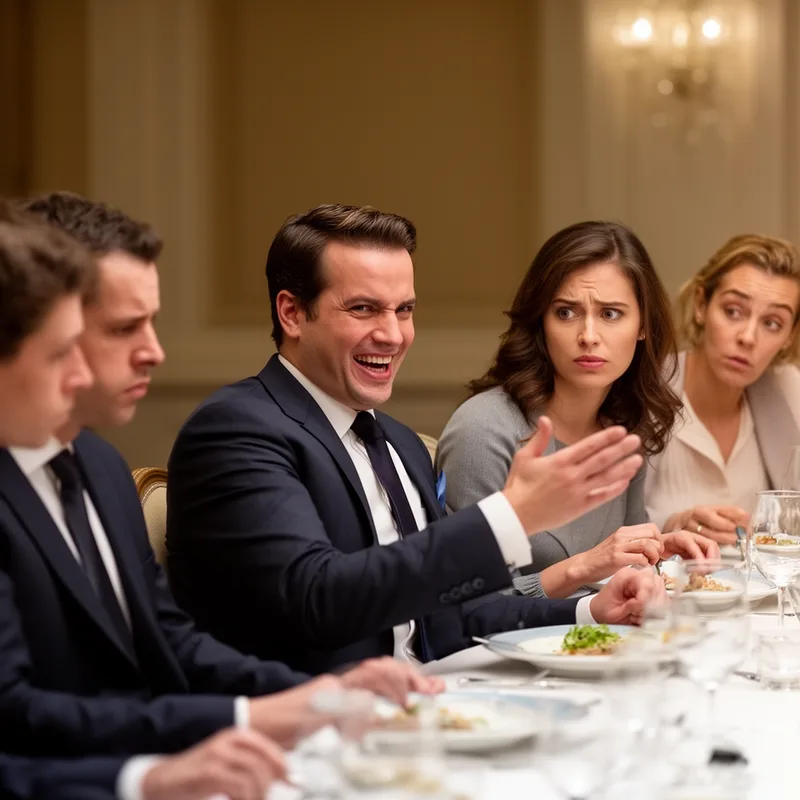
unchivalrous

unchivalrous

1 8.6
Not polite or kind to someone in a social situation
  • adjective
  • /ʌnˈʃɪvəlrəs/
translation icon : descortés
  • An unchivalrous cop does not even offer her clothing.

Examples

  • But this is worse than unchivalrous.

  • How unchivalrous of you.

  • unchivalrous of him to ignore her invitation to the dance.

  • unchivalrous behavior during the meeting shocked everyone present.

  • The coach's unchivalrous comments about the players' performance offended the team.

Synonyms

rude
vsunchivalrous
594 1.0

Not polite or showing little respect for others

leans more on failing courteous, chivalric behaviour than bluntness alone
disrespectful
vsunchivalrous
121 3.0

Not polite to someone, for example interrupting them

focuses specifically on not showing courteous, gentlemanly behaviour
unkind
vsunchivalrous
44 1.0

Not friendly or caring to other people

targets discourtesy and ungallant behaviour rather than lacking compassion
impolite
vsunchivalrous
21 2.3

Not showing good manners or respect to other people

highlights absence of gentlemanly courtesy rather than simple impoliteness
unbecoming
vsunchivalrous
  • Formal
15 6.7

Not suitable for a situation or for what people expect
is similar but emphasizes lack of courteous, gentlemanly conduct
uncouth
vsunchivalrous
  • Offensive
10 8.4

Not polite or well behaved in a rough way

is about discourtesy specifically rather than general lack of refinement
uncivil
vsunchivalrous
9 6.0

Not polite and rude to other people

adds the extra sense of failing in chivalry or gallant conduct
discourteous
vsunchivalrous
4 5.5

Not polite to other people and showing little respect

adds the idea of failing gentlemanly standards rather than general discourtesy
ungracious
vsunchivalrous
4 6.7

Rude and not polite or kind

is stronger in blaming absence of honour or gallantry specifically
ungentlemanly
vsunchivalrous
1 7.0

Rude or unfair behavior that shows little respect for others

focuses more on discourtesy specifically linked to gentlemanly manners
indecorous
vsunchivalrous
  • Formal
1 9.2

Not showing good manners in public or formal places

is more about discourtesy and failing polite, gallant behaviour
ungallant
vsunchivalrous
1 9.1

Not polite or kind to other people

is more about general discourtesy than failing chivalric behaviour
unmannerly
vsunchivalrous
1 6.3

Not polite and often rude to others

is narrower, focusing on failing to be courteous in a gentlemanly way
caddish
vsunchivalrous
  • Offensive
1 9.9

Being rude and selfish in a way that hurts others
shows rudeness but often without the deliberate insult implied here
unchivalric
vsunchivalrous
9.1

Not polite or brave in the way people expect from a knight
is the common modern word for lacking courteous or gentlemanly behaviour
ungentlemanlike
vsunchivalrous
8.0

Not acting politely or respectfully toward others

is broader, meaning simple discourtesy rather than strict gentlemanly failings
uncomely
vsunchivalrous
  • Archaic
9.6

Not proper in dress or behavior in polite company
focuses more narrowly on discourteous, ungallant behaviour
ungenteel
vsunchivalrous
  • Archaic
9.9

Not polite and not showing good manners

is about failing courteous, chivalrous manners rather than mere refinement
undeferential
vsunchivalrous
9.9

Not showing respect to people in authority

is broader, focusing on discourtesy and lack of gallant conduct
uncordial
vsunchivalrous
  • Archaic
8.9

Not friendly or warm in behavior

centres on discourtesy and lack of gentlemanly politeness rather than coldness

Antonyms

43 3.7

Polite and respectful when you speak or behave

11 6.8

Giving polite attention and respect to women, often by a man

How Chivalrous

gallant
11 6.8
chivalrous
15 7.5
courteous
43 3.7
unchivalrous
1 8.6
rude
594 1.0

Surface Forms

unchivalrous positive

Morphology

unchivalrous = chivalrous (transparent) = un + chivalrous

The adjective is formed by adding the productive negative prefix 'un-' to the recognizable adjective 'chivalrous', so its negated meaning is directly inferable.

Etymology

Unchivalrous breaks into un- 'not' and chivalrous, which comes from old words for 'horse' and the knights who rode them. So a unchivalrous person is not acting like a courteous, brave knight; it means rude or ungallant.