

ungallant
 1
9.1
1
9.1

- adjective
- /ʌnˈɡæl.ənt/
- He saw yellow light glowing in the windowpanes of his house, and the idea that he was anticipated made him edgy and ungallant.
Examples
-
You would not be so ungallant as to refuse our hospitality.
-
Sir, you are both ungallant and deficient.
-
I wouldn't wanna appear ungallant... but I think I'd just as soon do without your assistance in that direction.
-
He searched his mind for words that would make clear this total absence of design without being inelegant or ungallant.
Fiction book (1995) -
It would be ungallant of me to say I did not hope so—and untrue.
Fiction book (1993) -
Even aside from the very ungallant way he treats Katrina, the physical abuse he personally delivers to (the wholly sympathetic) Father Adam during the course of the film is astonishing.
Blog text (18) -
It would be ungallant to ignore her request for assistance during the event.
-
He acted ungallant when he interrupted her speech without apologizing.
-
I find it ungallant to criticize someone in front of others, especially in a formal setting.
Synonyms
 594
1.0
594
1.0
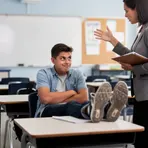
Not polite or showing little respect for others
 22
7.1
22
7.1
Rude and not showing respect to other people
 21
2.3
21
2.3
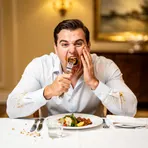
Not showing good manners or respect to other people
 10
8.4
10
8.4
Not polite or well behaved in a rough way
 9
6.0
9
6.0
Not polite and rude to other people
 9
7.9
9
7.9
Someone who shows no respect by acting or speaking boldly
 8
7.2
8
7.2
Rude or too bold toward someone, sometimes playful
 5
3.9
5
3.9
Rude and impolite in how someone talks or acts
 4
5.5
4
5.5
Not polite to other people and showing little respect
 4
6.7
4
6.7
Rude and not polite or kind
 1
7.0
1
7.0
Rude or unfair behavior that shows little respect for others
 1
7.0
1
7.0
Not careful about hurting other people's feelings in sensitive situations
 1
6.3
1
6.3
Not polite and often rude to others


 1
8.6
1
8.6
Not polite or kind to someone in a social situation
 1
9.9
1
9.9
Being rude and selfish in a way that hurts others
 1
7.2
1
7.2
Not showing good manners toward others
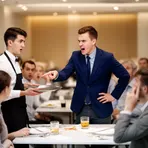
Not acting politely or respectfully toward others
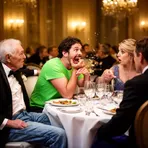
Not polite and not showing good manners

Showing bad manners that make others uncomfortable

Not showing respect to people in authority

Not careful about other people's feelings when you speak or act, making others feel bad
Antonyms


How Polite

Surface Forms
Morphology
Etymology
Ungallant is un- ('not') plus gallant, a word that came to mean 'polite' and 'brave', like a courteous knight, so a helpful image is someone who lacks that polite, chivalrous manner. So ungallant means 'not polite or chivalrous', which fits rude or discourteous behavior.