
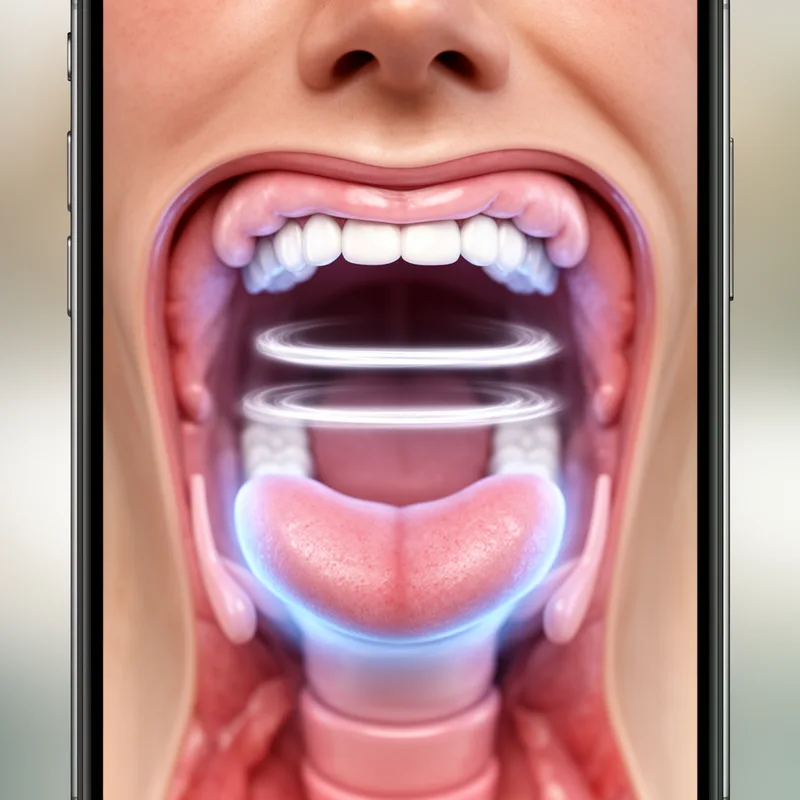
superior vocal cord


 1
8.9
1
8.9
- noun
- /suˈpɪrɪər ˈvoʊkəl kɔrd/
- Specialized
- During surgery, the superior vocal cord is identified to avoid damaging important structures.
Examples
-
The superior vocal cord plays a role in protecting the airway.
-
Inflammation of the superior vocal cord can sometimes be mistaken for other throat conditions.
-
The superior vocal cord is also called the false vocal cord.
-
Doctors often examine the superior vocal cords during a laryngoscopy.
-
The surgeon explained that the superior vocal cord does not contribute to sound production.
-
During the examination, the doctor pointed out that the superior vocal cord helps protect the airway.
-
In anatomy class, we learned that the superior vocal cord is also called the false vocal cord.
Synonyms

One of two thin pieces of tissue above the voice box that do not make sound

A fold of tissue in the voice box that protects the airway and does not make speech sounds

A thin piece of tissue in the throat above the vocal cords that usually does not make sound
Surface Forms
Morphology
The meaning is directly compositional: 'superior' = upper/higher, 'vocal' = voice-related, and 'cord' = a cord/fold, so together they denote the upper vocal fold in the larynx. Though somewhat technical, the referent follows straightforward noun modification and a B1 learner who knows the constituent words can infer the basic meaning.
Etymology
Superior vocal cord is named for its place and look. It is the upper fold, meaning superior, above the true vocal cord and it looks like a voice-making cord but does not 'produce sound'. That's why people call it the 'false vocal cord' and the name means the upper throat fold that protects the true cords and is not used for making voice.