

spurge
 2
9.9
2
9.9

- noun
- /spɜrdʒ/
- Specialized
- The gardener warned us that the sap from the spurge plant can be toxic if it comes into contact with skin.
- leafy spurge
- spurge control
- spurge in some areas
Loading YouTube…
Watch on YouTubeAnd the leafy spurge is super nutritious.
- And the leafy spurge is super nutritious.
Examples
-
Bottom photo: Four years later, only scattered spurge plants remain, thanks to Aphthona nigriscutis beetles.
Academic text (1994) -
Researchers at this laboratory helped discover and test agents for control of leafy spurge and saltcedar—today's emerging success stories.
Academic text (2000) -
We need other insects that bore into stems or eat shoot tips, so as to attack spurge in all possible ways.
Academic text (1994) -
Key to finding the right insects is to return to the spurge's native areas.
Academic text (1994) -
Spurge is not a problem over there because insects and diseases keep it in check," Caesar says.
Academic text (1994) -
And the leafy spurge is super nutritious.
-
Around Stavropol, spurge grows only in fine loamy sands.
Academic text (1994) -
ARS began research on biological control of leafy spurge in the 1970s at laboratories in California, Montana, and Italy.
Academic text (2000) -
In recent years, ARS scientists have turned to biological control insects to curb spurge's spread.
Academic text (1994) -
Major weed targets now include leafy spurge, saltcedar, Russian and yellow starthistle, Russian knapweed, and perennial mustards such as hoary cress.
Academic text (2000)
Synonyms
 1
9.8
1
9.8
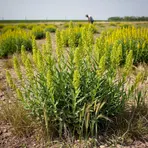
A tall plant with greenish-yellow flowers that spreads and harms grasses and crops


 1
8.9
1
8.9
A group of flowering plants with milky sap, often like small shrubs or succulents

A low annual garden plant with white-edged leaves and poisonous milky sap

A low spreading plant with thick blue green leaves and poisonous sap

A poisonous plant from southern Europe whose seeds make an oil that causes severe diarrhea
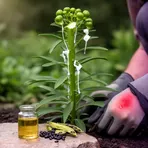
A poisonous plant with milky sap whose seeds have an oil once used as a laxative
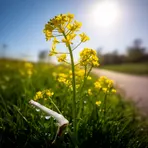
A European weed with milky sap and small yellow flowers that face the sun

A small common plant with yellow-green flowers that turn toward the sun

A small weed from Europe with yellow-green flowers that turn toward the sun

A European evergreen plant with yellow-green flower clusters often in shady woods
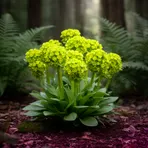
A perennial woodland plant with greenish-yellow flower clusters

A small North American plant with white petal-like parts that grows in dry fields

A common plant in the United States that lives for many years with showy white parts that look like petals
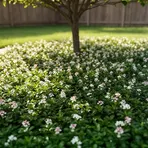
A low partly evergreen plant with small white or pink flowers used as ground cover

A small weed plant with milky sap that grows in gardens and fields

A small plant that lives for one year and often grows as a garden weed

A small annual plant from Europe that often grows as a weed and sometimes shows up in northeastern United States
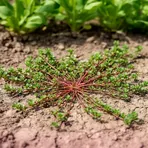
A small annual weed with tiny leaves that spreads on the ground

A plant that lives many years with narrow leaves like a cypress, often a weed

A small Mexican bush with bright red flower-like parts

A tall plant from Europe and Asia that lives for many years and spreads like a weed in North America

A plant in the spurge family with hairy leaves and stems native to Europe

A small weed with toothed leaves that grows every year in gardens and fields
Compounds
- Specialized
1
9.8
A tall plant with greenish-yellow flowers that spreads and harms grasses and crops
- Specialized
A poisonous plant with milky sap whose seeds have an oil once used as a laxative
A low partly evergreen plant with small white or pink flowers used as ground cover
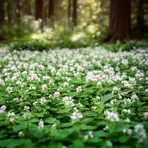
A low, partly evergreen plant with small white or pink flowers used as ground cover
A small North American plant with white petal-like parts that grows in dry fields
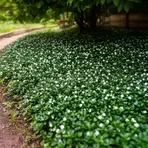
A common plant in the United States that lives for many years with showy white parts that look like petals


- Specialized
A family of flowering plants like poinsettias and spurges that often have milky sap

- Specialized
A small poisonous bush with shiny thick leaves and small yellow-green flowers that grows in woods

Surface Forms
Etymology
Spurge comes from the old Latin expurgare, which means 'to purge', and it shares the same root as the English word purge. People once used the plant as a strong medicine to empty the body, so the name spurge links to that old use and to its milky, often poisonous sap.