

spoilage
 3
4.2
3
4.2

- noun
- /ˈspɔɪlɪdʒ/
- Irradiation also inactivates food-spoilage organisms, including bacteria, molds, and yeasts.
- spoilage bacteria
- food spoilage
- spoilage organisms
Loading YouTube…
Watch on YouTubeSo it excludes oxygen, which then knocks out a whole category of spoilage microbes like molds.
- So it excludes oxygen, which then knocks out a whole category of spoilage microbes like molds.
Examples
-
The combined treatments also prevented the growth of spoilage microorganisms for 2 months.
Academic text (2005) -
So it excludes oxygen, which then knocks out a whole category of spoilage microbes like molds.
-
The heat also protected against spoilage organisms.
Academic text (1998) -
Instead of shipping our produce to Key West and losing half of it to spoilage, we would sell directly to E. J. Watson.
Fiction book (1990) -
Check refrigerated food for spoilage, and if in doubt, throw it out.
Blog text (7) -
The subsequent trip through the cooling tank helps prevent spoilage.
Academic text (2004) -
The late delivery of fruit and vegetables contributed to spoilage problems and shortages of fresh fruit and vegetable snacks at distribution time.
Academic text (2011) -
Moreover, both pathogenic and spoilage bacteria were unable to grow on the inoculated cheese slices.
Academic text (2008) -
The main concern in food storage is spoilage, which can occur due to improper temperature control.
-
Farmers often face significant losses from spoilage during transport if the crops are not handled properly.
Synonyms
 1
4.1
1
4.1
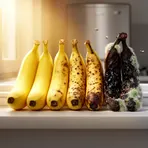
The process of food becoming rotten or unsafe to eat
Antonyms


How Spoiled

Surface Forms
Morphology
Etymology
Spoilage comes from the simple verb spoil, which means 'to ruin' or 'to go bad', and the ending -age, which means 'result' or 'process'. So, spoilage is the process or result of something, especially food, becoming spoiled or unfit to use.