
to sorb
9.5
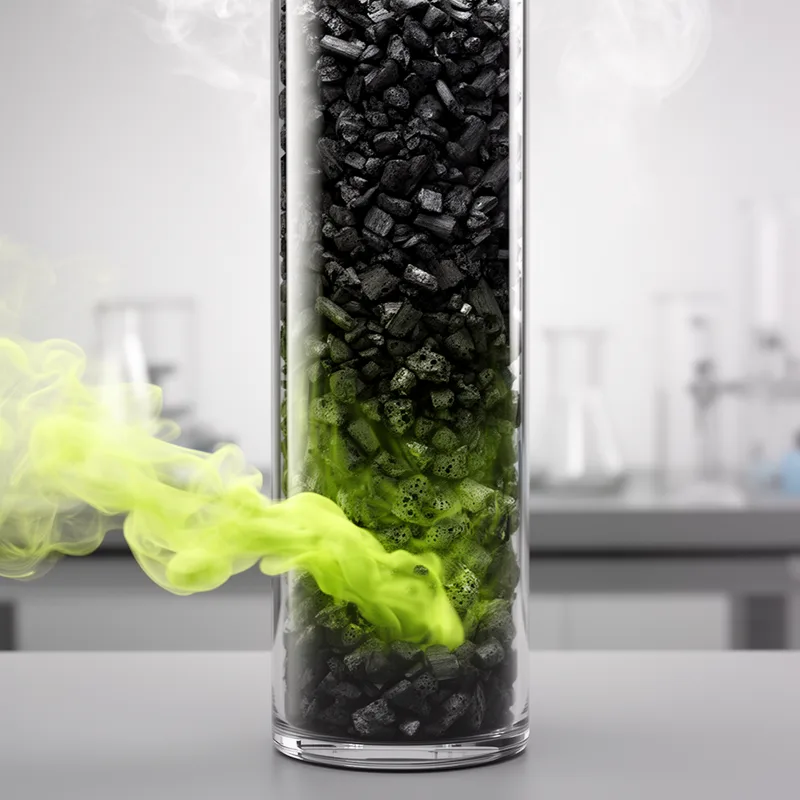
To take in and hold a liquid or gas
- verb
- /sɔrb/
- Specialized
:
absorber
- Activated charcoal can sorb toxic gases from the air.
Examples
-
The sponge sorbs water quickly.
-
How much liquid can this material sorb?
-
Scientists measured how quickly the compound would sorb carbon dioxide.
-
This material efficiently sorb both water and oil spills.
-
Activated charcoal can sorb harmful chemicals from the water.
-
This new fabric can sorb moisture effectively during workouts.
-
Certain plants are known to sorb pollutants from the soil.
Synonyms

to take up
vsto sorb
 7
3.2
7
3.2

To soak up liquid or learn and keep new information
specifies holding by surface or internal processes rather than general uptake
 1
9.1
1
9.1
To hold liquids or gases on the surface of a solid
includes that surface holding and also uptake into the interior
Antonyms


Compounds



How Much

Surface Forms
Etymology
The verb sorb comes from the old Latin sorbere, which meant 'to suck in', and it shares its idea with the familiar word absorb, so to sorb something is to take up and hold a liquid or gas.