
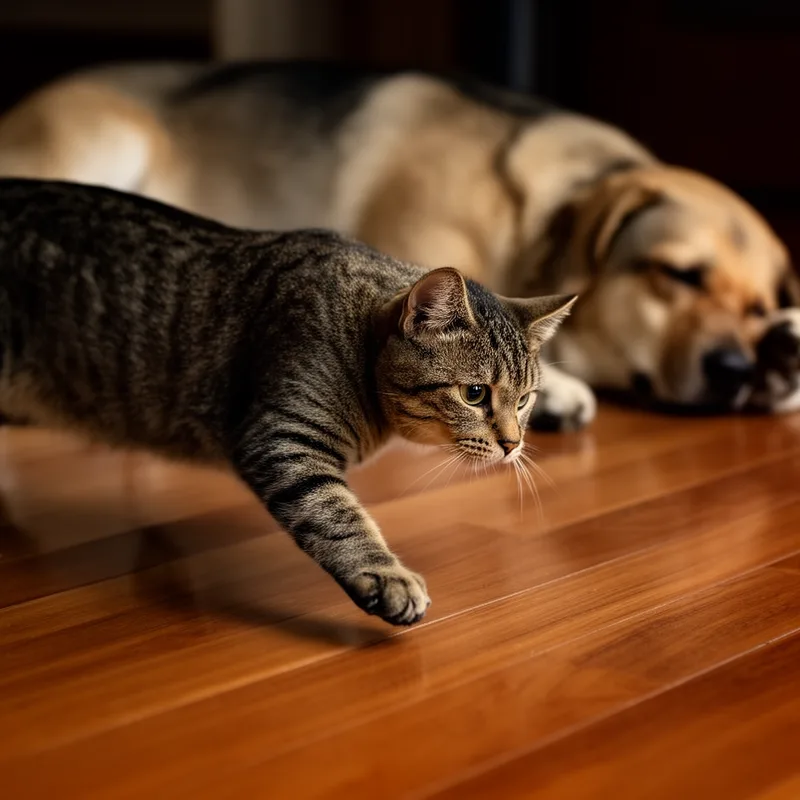
to slink
 16
6.7
16
6.7

- verb
- /slɪŋk/
- Feeling guilty, she decided to slink away from the party unnoticed.
- slink away
- slink back
- slink quietly
Loading YouTube…
Watch on YouTubeSo Farah just kind of like slinks in to the shadows.
- So Farah just kind of like slinks in to the shadows.
- But I think fundamentally I'm happy to slink into the background.
- He says no, you're not going back to first principal slinking if you look at this.
- And yet somehow, millionaires and the slimiest dickheads ever to slink across the face of these SEPTA dials have convinced millions of people that they're just like us.
Examples
-
But I think fundamentally I'm happy to slink into the background.
-
Don't slink away like frightened rats.
-
No back door to slink out of this time.
-
You think you can just slink, hmm?
-
"When I saw the three of you slink in here, I was sure you had done something foolish.
Fiction book (1992) -
Most boys in town and its vicinity would slink away at the sight of him.
Fiction book (1995) -
Did you think I would slink away like a cur and lick my wounds?
-
So Farah just kind of like slinks in to the shadows.
-
Yeah, she slinks out sometime during the night, and we don't see Russell again until the next performance.
-
Hiding the baby, cradling his jacket, he hurries through the crowd and slinks out the door marked ENTRANCE.
Fiction book (1995)
Synonyms
 503
2.3
503
2.3
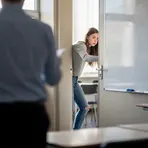
To move quietly and easily, often without being noticed
 155
2.5
155
2.5
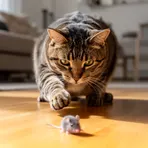
To move slowly and quietly with the body low to the ground
 125
3.7
125
3.7
To leave a place quietly so no one notices you
 104
5.5
104
5.5
To stay hidden and move secretly to watch or frighten people
 44
3.1
44
3.1
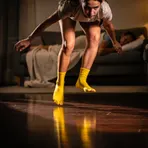
To walk quietly on the toes to avoid making noise
 39
3.8
39
3.8
To leave a place quietly without anyone noticing
 35
5.3
35
5.3
To move quietly around a place looking for something
 35
4.3
35
4.3
To move smoothly and quietly like a snake along the ground
 33
4.0
33
4.0
Leave a place quietly so others do not notice
 33
4.6
33
4.6
To move or happen slowly and quietly so it is not noticed
 32
3.4
32
3.4
To leave a place quietly without anyone noticing
 20
7.7
20
7.7
To move or act quietly to avoid being noticed
 17
3.6
17
3.6
To leave a place quietly without being noticed
 12
7.2
12
7.2
To leave a place quickly and quietly to avoid something you should do
 5
8.1
5
8.1
To move slowly and quietly to the side to avoid being noticed


 1
8.6
1
8.6
To hide and move quietly in dark places to avoid being seen
 1
7.9
1
7.9
To move sideways past someone quietly without being noticed
 1
7.7
1
7.7
To move quietly to the side and away so people do not notice you

To move quietly and carefully to avoid being noticed
Antonyms


How Sneaky

Surface Forms
Etymology
The word slink comes from an old word like sink, meaning 'to go down'. Imagine someone lowering themselves and moving low to avoid being seen, and that image helps explain why slink means to move quietly and secretly.