

to slop out
- phrasal verb
- /slɑp aʊt/
- Informal
- The janitor had to slop out the bucket at the end of his shift.
Examples
-
He slopped out the dirty water from the tank.
-
Please slop out the bucket before using it.
-
Please slop out the tray before washing it in the sink.
-
Prisoners were required to slop out their cell buckets every morning.
-
He had to slop out the dirty water from the old bucket before using it again.
-
After lunch, she will slop out the leftover soup from the pot into the sink.
-
To keep the area clean, they need to slop out the waste from the animal pens regularly.
Synonyms

 260
1.0
260
1.0

To empty something completely
 168
2.7
168
2.7
To clean something by running water through it
 91
3.1
91
3.1
Remove all things from a place so it becomes empty
 91
3.2
91
3.2
Empty a place or container by removing everything inside
 16
4.5
16
4.5
Pull something out of a place by using air to draw it in
 9
2.0
9
2.0
Clean something using water to remove dirt or stains
 7
3.3
7
3.3
Remove the inside of something with a spoon or small tool so it becomes hollow
 5
5.0
5
5.0
To take out what is inside a container so it becomes empty
 3
6.5
3
6.5
To clean animal waste from a stable or pen
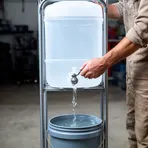
Remove all fuel or other liquid from a tank until it is empty

To clean something very well by scrubbing or washing

To remove liquid from a surface by wiping it with a cloth
Antonyms

How Thorough

Surface Forms
Morphology
The meaning is directly derivable from 'slop' (dirty liquid/waste) plus 'out' (away from the interior): together they describe removing or emptying the dirty liquid from a container. This follows a common verb+out compositional pattern in English, so a B1 learner who knows both constituents should grasp the sense.
Etymology
The phrasal verb slop out comes from the picture of tipping a bucket so the messy liquid called slop pours out onto the ground while you empty a tray or bucket. That's why it now means 'to empty a container of dirty liquid or waste'.