

to sidle
 5
8.1
5
8.1

- verb
- /ˈsaɪdəl/
- She tried to sidle away from the noisy party without anyone noticing her.
Examples
-
Josh began to sidle along the wall behind the screen of trees.
Fiction book (2002) -
While they were so preoccupied, Glenn found the right moment to sidle up to Bianca.
Fiction book (1992) -
MAN: Sidle up to him, and then ask for a raise.
-
I get just so many people who will just sidle up to me and go "that was, that was my favorite episode"
-
Hey, Mr. Montana, please, sidle on up to the counter.
-
If he and Bianca continued to sit by this fountain, the woman would eventually sidle over to them.
Fiction book (1996) -
His deputy, Jack Webber, sidles up next to him.
Fiction book (2000) -
Bobby starts stumbling to the door, muttering to himself, and I sidle up next to the man.
Blog text (12) -
The brown mare tried to sidle away, then threw herself back on her haunches, twisting, ready to rear.
Fiction book (1992) -
Mrs. Pistone, 60s, Donnie's mother, sidles up to Maggie.
Fiction book (1997)
Synonyms
 155
2.5
155
2.5
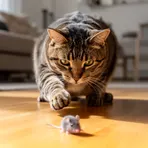
To move slowly and quietly with the body low to the ground
 44
3.1
44
3.1
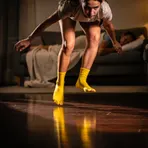
To walk quietly on the toes to avoid making noise
 39
3.8
39
3.8
To leave a place quietly without anyone noticing
 33
4.6
33
4.6
To move or happen slowly and quietly so it is not noticed
 20
7.7
20
7.7
To move or act quietly to avoid being noticed
 16
6.7
16
6.7
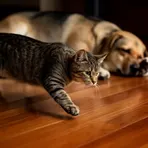
To move quietly and carefully to avoid being seen
 4
7.6
4
7.6
To move close to someone quietly to pretend to be friendly and get their favour


 1
7.9
1
7.9
To move sideways past someone quietly without being noticed
 1
7.7
1
7.7
To move quietly to the side and away so people do not notice you
 1
8.6
1
8.6
To hide and move quietly in dark places to avoid being seen

To move quietly and carefully to avoid being noticed
Antonyms

Phrasal Verbs
How Stealthy

Surface Forms
Morphology
Etymology
The word sidle comes from the simple word side, meaning 'side', plus a small verb ending. It originally meant to move 'to the side' slowly and quietly, which is why today it means to walk in a shy or sneaky way.