
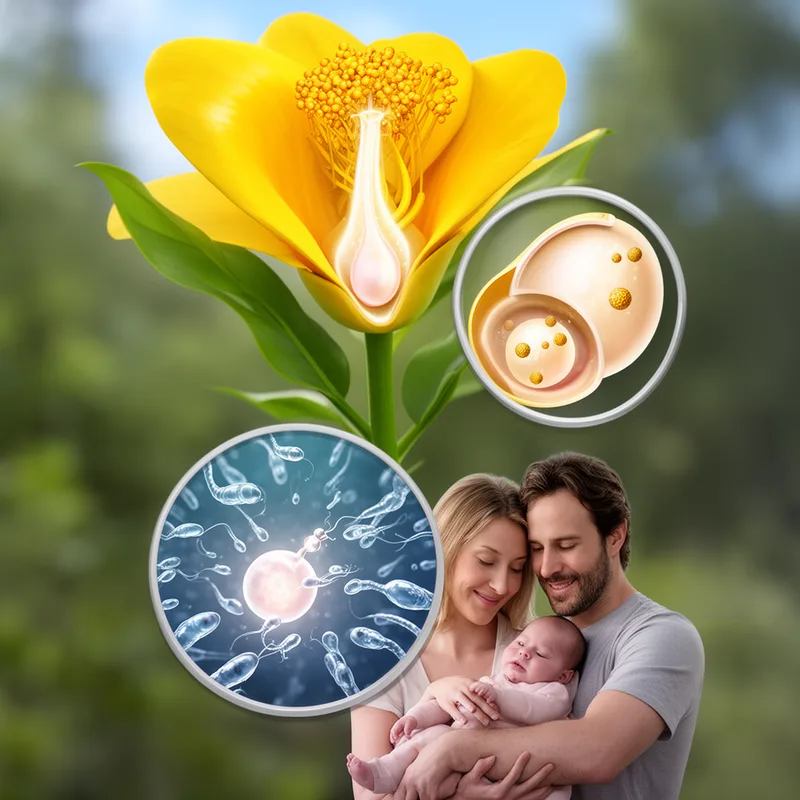
sexual reproduction
 3
3.4
3
3.4

- noun
- /ˈsɛkʃuəl ˌriːprəˈdʌkʃən/
- Specialized
- Sexual reproduction is obviously important to many aquatic groups, although its exact role remains to be elucidated.
- cytoplasmic inheritance in sexual reproduction
- importance of sexual reproduction
- effects of sexual reproduction
Loading YouTube…
Watch on YouTubeBut that we are, we are optimized through natural selection for sexual reproduction.
- But that we are, we are optimized through natural selection for sexual reproduction.
Examples
-
Aspens are capable of both sexual reproduction, which produces a new Organism, and asexual reproduction, which creates a clone.
-
In many species, sexual reproduction leads to greater genetic diversity in the offspring.
-
Yet it is inappropriate to dismiss the importance of sexual reproduction in water plants.
Academic text (1996) -
At the organismal level, however, sexual reproduction is not the same as duplication.
Academic text (2008) -
Students failed to demonstrate how other terms, such as mutation, variation, or sexual reproduction, related to evolution.
Academic text (1994) -
Dolly's relatively early death raised questions about developmental and other differences between cloned individuals and those conceived through traditional sexual reproduction.
Academic text (2017) -
The small seedlings of Amphibolis (which are produced by sexual reproduction) eventually detach from the parent plant and are dispersed.
Academic text (1996) -
The rarity of lake cress underscores the importance of sexual reproduction to facilitate long-distance dispersal.
Academic text (1996) -
In this article, we explore the role that sexual reproduction, pollen, and seed dispersal play in maintaining species distributions, genetic diversity, and connectivity among seagrass populations.
Academic text (2012) -
Throughout Darwin's poetic works, and especially in The Temple of Nature (1802-3), sexual reproduction is the mechanism of progress and variation in species, producing new and perfectible organisms, as well as emphasizing the importance of change over time.
Academic text (2017)
Synonyms
 27
4.0
27
4.0
A sperm or pollen joins a female cell to start a new living thing

A sperm and an egg join to make a new organism
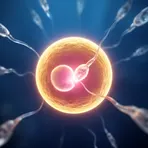
When a sperm cell joins an egg cell to make a new embryo

Two sex cells, like an egg or sperm, join to make a new cell with genes from both parents
Antonyms
- Specialized

 1
4.6
1
4.6
A way of making new living things from one parent without sex that makes identical copies
Surface Forms
Morphology
The meaning is directly and transparently derived from 'sexual' (pertaining to sex/mating) combined with 'reproduction' (the process of creating new individuals); together they straightforwardly indicate reproduction involving sex. This is a regular, compositional noun phrase found across languages, so an average B1 learner who knows the constituents would understand it.
Etymology
Sexual reproduction comes from a simple picture: sexual means using sex cells from two parents and reproduction means making new life. In this process the two sex cells 'join' and mix their genes, so the new 'young' have traits from both parents, which is why the term means making offspring from two parents.