
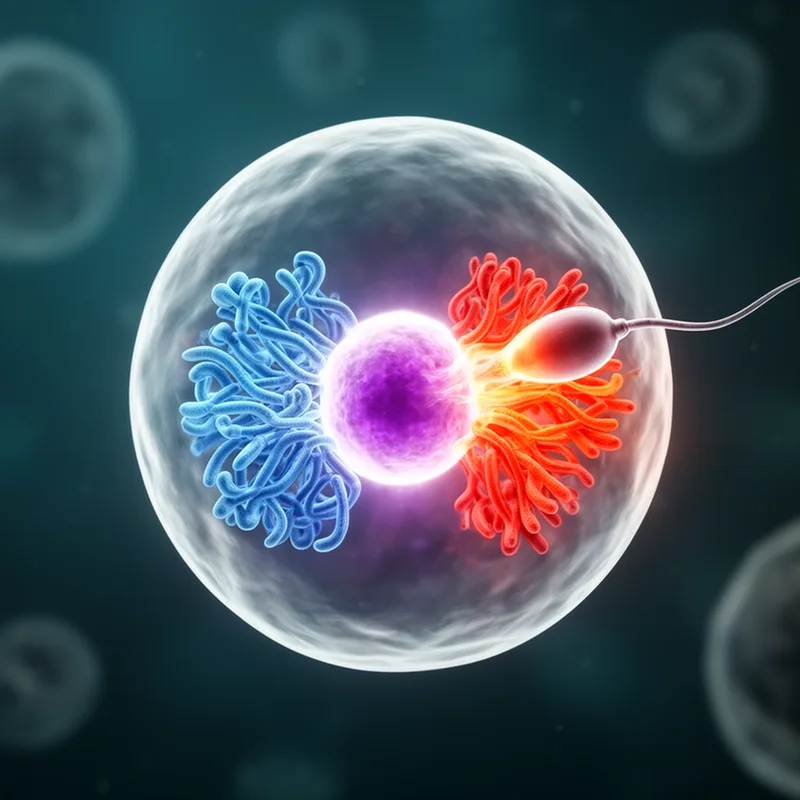
syngamy
- noun
- /ˈsɪŋɡəmi/
- Specialized
- During syngamy, the male and female gametes combine to form a zygote.
Examples
-
Syngamy occurs when two reproductive cells unite, creating the first stage of a new organism's development.
-
This process is called syngamy.
Academic text (1990) -
The fusion of nuclei during syngamy is crucial for ensuring genetic diversity in sexually reproducing species.
Synonyms

 1
7.7
1
7.7

When sperm or pollen fertilize a female reproductive cell to start a new organism

A sperm and an egg join to make a new organism

When a sperm cell joins an egg cell to make a new embryo
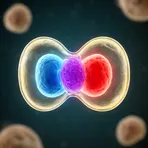
Two cell nuclei join to form one nucleus during sexual reproduction in fungi or yeast
Surface Forms
Morphology
syngamy = gamy (semi-transparent) = syn + gamy
The meaning 'together' + 'union' matches the biological sense, but '-gamy' is a specialized bound morpheme that many learners do not recognise, so inference is not fully obvious.
Etymology
Syngamy comes from Greek parts syn- meaning 'together' and -gamy from gamos meaning 'marriage' or 'union'. So, syngamy is like a 'marriage' of two reproductive cells that join to make a new cell.